black tie optional female
What Black Tie Optional Actually Means for Women
The phrase "black tie optional" on a wedding invitation or event invite causes more confusion than almost any other dress code. Here's the good news: it's genuinely less demanding than full black tie, giving you real choices without the pressure of a tuxedo or floor-length gown being your only options.
According to the Emily Post Institute, women can choose between a formal evening gown, a shorter cocktail dress, or dressy separates when an invitation reads "black tie optional." That flexibility is the entire point of the dress code it's an invitation to dress up without making anyone feel obligated to buy an expensive new outfit they'll wear once.
Linda Cui Zhang, fashion director at Nordstrom, told ELLE: "I think the beauty of black tie optional is the guests' flexibility in formalwear." She advises that if you're skipping the full evening gown, you should still "err on the side of more formal than not" and avoid casual fabrics like cotton, linen, and denim, along with relaxed footwear such as sneakers and flat sandals.
The biggest difference between black tie and black tie optional is that full-length evening gowns are preferred but not required. A formal cocktail dress works perfectly well, and the hosts are explicitly giving you permission to dress down slightly from full black tie formality.
Your Wardrobe Options: From Gowns to Cocktail Dresses
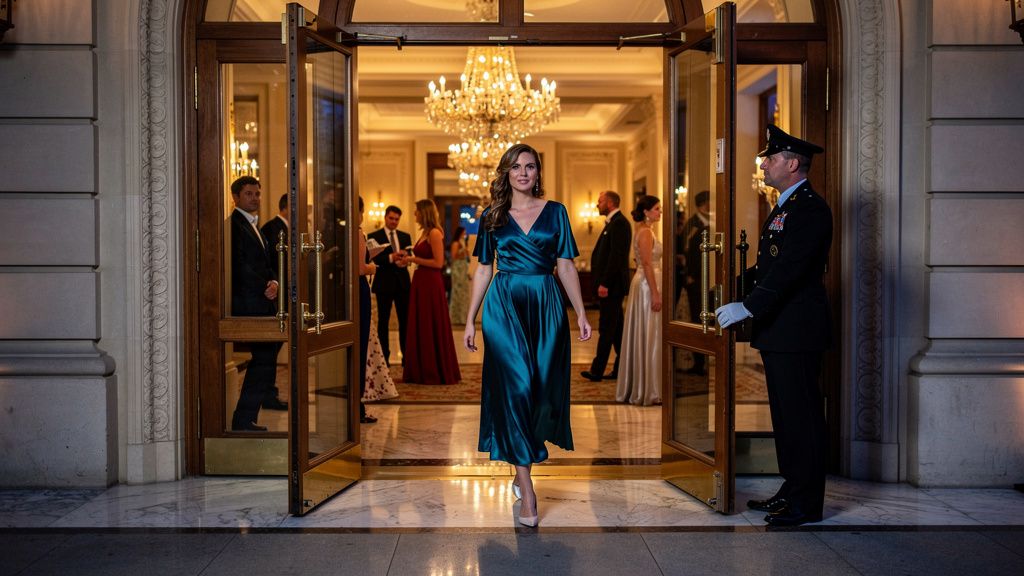
Choosing what to wear gives you more runway than you might think. A floor-length gown remains the safest choice you absolutely cannot go wrong in one, and you'll never feel underdressed. But the "optional" in black tie optional means just that: optional.
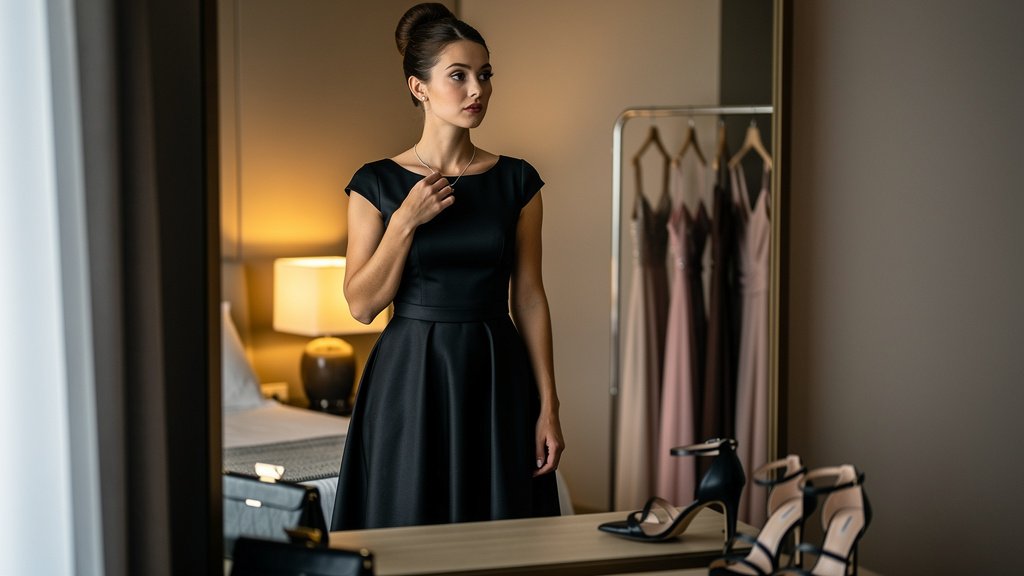
Formal cocktail dresses are entirely appropriate for these events. The key word is "formal" skip anything that reads as party dress or casual. Look for structured silhouettes, richer fabrics, and designs that feel polished rather than playful. A sophisticated midi dress (hemmed below the knee but above the ankle) also works beautifully, offering that middle-ground elegance that strikes the right note without requiring the full investment of a gown.
For women who prefer pants, a dressy jumpsuit or tailored pantsuit in an evening fabric like silk, satin, or velvet is a completely acceptable alternative. The Vogue fashion advice column notes that dressy separates work well too, so don't feel locked into wearing a dress if that's not your style.
Fabric matters enormously here. The Knot's style experts emphasize that fabrics like silk, chiffon, and taffeta read as appropriately formal, while cotton or linen will look out of place at an evening event, regardless of the cut or length of the garment.
What to Avoid: The Style Mistakes That Stand Out
Here's where guests get into trouble not because they're trying to be casual, but because they underestimate the formality of the event. A black tie optional wedding still takes place in the evening, often at a hotel ballroom or upscale venue, and the atmosphere calls for polished, put-together attire.
Skip anything in casual fabrics. That cute cotton sundress that works perfectly for a garden wedding daytime reception? It will feel out of place at a black tie optional evening affair. Denim is obviously off-limits, but so are linen pants or cotton blouses that read as workday appropriate.
Footwear is where many guests slip up. Flip flops, flat sandals, casual wedges, and sneakers are all too relaxed for this dress code. Even if you're wearing a gorgeous cocktail dress, pairing it with strappy heels or dressy flats keeps the look cohesive. The exception: if your shoes are genuinely dressy (think embellished heels, elegant pumps), you're fine.
Avoid anything overly revealing. These events tend to be conservative in terms of necklines and hemlines. What's perfectly appropriate for a nightclub or cocktail hour may not work for a formal wedding where you're likely to meet the grandparents.
One thing worth noting: white is traditionally reserved for the bride at weddings. Unless the couple has explicitly said otherwise, save your white gown or dress for another occasion.
Color Guidance and Accessorizing
When choosing your color palette, think evening. Darker, richer hues like black, navy, deep emerald, burgundy, or charcoal are the most reliably appropriate choices. That said, black tie optional events aren't as rigid about color as full black tie you can certainly wear jewel tones, metallics, or even softer hues if they feel formal enough for the occasion.
The key is making sure your accessories match the formality level. Statement jewelry works beautifully with simpler dress silhouettes, while a more elaborate dress might call for minimal accessories to avoid competing with the outfit. A clutch bag is standard for evening events, and you won't find many pockets in formal gowns anyway.
Shoes should be closed-toe or strappy in a neutral or matching color. If you're wearing a jumpsuit or pants, make sure your shoes feel dressy this doesn't necessarily mean sky-high heels, but they should look intentional and polished, not like something you'd grab for a quick Target run.
The Venue and Season Matter More Than You Think
Here's something many guests don't consider: the venue and time of year should influence your outfit choice within the black tie optional framework. A winter wedding at a historic hotel calls for heavier fabrics velvet, beaded details, longer sleeves while a summer outdoor evening wedding at a vineyard might allow for lighter silks or chiffon.
I've noticed that wedding forums are full of questions from guests who showed up in the wrong fabric weight for the season. A floor-length gown in heavy velvet in July at an outdoor venue in New Orleans would be miserable for the guest and probably look slightly off-kilter too. Conversely, a wispy chiffon dress in January at a city ballroom might read as underdressed.
The venue formality matters too. A black tie optional wedding at a country club or luxury hotel expects a different level of polish than one held at a casual barn venue, even if the invitation uses the same words. Trust your instincts if the venue feels fancy, lean more formal. If the setting is rustic or relaxed, you've got more room to play with cocktail dresses and less structured silhouettes.
Making the Right Call When You're Unsure
Here's the honest truth: if you've read this far and still feel uncertain, you're not alone. The fashion industry acknowledges that black tie optional is one of the most confusing dress codes because it requires guests to make judgment calls that the invitation doesn't give them enough information to make.
When in doubt, lean more formal rather than less. A floor-length gown to a cocktail-optional event makes you look polished and put-together; a cocktail dress to a black tie optional event where most guests are in gowns makes you feel underdressed. The safer bet is always the more formal option.
If you really can't tell from the invitation, consider the couple's style. A fashion-forward couple getting married in a trendy urban venue probably expects more creative interpretations of the dress code. A traditional couple at a classic venue? They're likely picturing floor-length gowns and tuxedos, even if they offered the "optional" out of courtesy.
One admitted knowledge gap worth mentioning: there's no hard data on what percentage of guests actually wear gowns versus cocktail dresses at black tie optional weddings. Anecdotally, it varies enormously by region, demographic, and the formality of the couple's usual social circle. If you want to be safe, a midi or tea-length dress (below the knee but above the ankle) strikes that perfect balance elevated enough to feel formal, flexible enough to work whether the crowd leans gown or cocktail.
Final Thoughts on Dressing the Part
The best black tie optional outfit is one that makes you feel confident and comfortable. That's not just fluff if you're fidgeting with your dress all night or worried about your hemline, you'll enjoy the event less, and it'll show in photos.
Remember that "optional" works in both directions. You can wear a full evening gown if you want to, but you're not obligated to. You can wear a polished cocktail dress and skip the tuxedo. The hosts gave you permission to be flexible, and you should take them up on it.
The real secret is this: black tie optional is an invitation to show you care enough to dress up, without requiring you to buy a wardrobe you'll never use again. Pick something elegant, stick to evening fabrics, avoid anything too casual, and you'll be appropriately dressed. The details gown versus cocktail, heels versus dressy flats are genuinely up to you.