what is a sheath dress

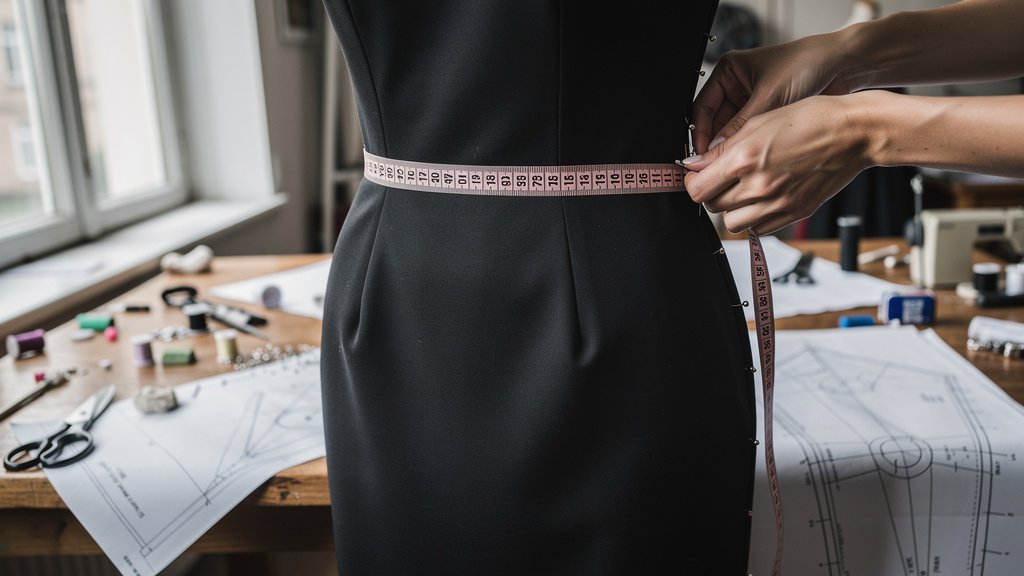
Defining the Sheath Dress: More Than Just a Simple Silhouette
A sheath dress is a fitted, straight-cut dress that follows the body's natural line from shoulder to hem without flaring or gathering at the waist. Unlike the flowing A-line or the playful fit-and-flare, a sheath dress is about precision it skims your curves rather than hiding them or amplifying them. The Cambridge Dictionary describes it as "a simple dress that is fairly straight but fitted around the waist and hips," and that simplicity is exactly the point.
The term "sheath" actually comes from the word for a sword's protective covering the dress fits close to the body much like a blade sits within its sheath. This isn't metaphorical coincidence; fashion historians have long noted how the silhouette creates that sleek, streamlined effect. Wikipedia explains that a sheath dress is "often nipped at the waistline with no waist seam," meaning the transition from bodice to skirt is achieved through strategic darting rather than an actual seam line. When constructing these dresses, tailors combine the skirt darts into one dart that aligns with the bodice waist dart, producing that continuous hourglass shape.
What makes the sheath dress distinctive is its versatility. It works equally well in the boardroom as it does at evening events, which is why it's remained a wardrobe staple for decades. The MasterClass fashion guide notes that "the sheath silhouette emphasizes your curves, and is especially effective for curvy or hourglass body types, with slim waistlines, wide hips" though that's not the whole story. More on that later.
The History: From Christian Dior's New Look to Modern Wardrobes
The sheath dress didn't emerge in a vacuum. Its roots trace back to February 1947, when Christian Dior unveiled what would become one of the most influential fashion collections in history: the New Look. According to the Fashion History Timeline from the Fashion Institute of New York, Dior's New Look featured "the nipped-in waist and full-skirted silhouette" that remained the leading style until the mid-1950s. But as the decade progressed, something interesting happened the silhouette became progressively straighter and slimmer.
By the late 1950s, the full skirts of the early New Look had given way to narrower, more body-conscious lines. The sheath dress sometimes called the "pencil" or "wiggle" dress during this era represented a dramatic shift in how women dressed. These dresses were form-fitting, often featuring high v-neck bodices, slim skirts, and short jackets. All Dior collections from 1955 onward, although less confining than earlier iterations, still featured hobbling sheath skirts throughout the decade, as noted in his Wikipedia biography.
The 1960s brought further evolution. As the decade progressed and fashion began looking to younger demographics for inspiration, the elegance and formality of the early 1950s lessened but the sheath dress endured. It had found its place as a sophisticated alternative to both the ultra-feminine fuller skirts and the increasingly casual styles that would dominate the late 1960s and 1970s.
Sheath Dress vs. Shift Dress vs. A-Line: What's the Difference?
Here's where things get confusing for many shoppers. These three silhouettes get lumped together constantly, but they create dramatically different looks on the same body.
The shift dress, according to fashion educators at Jen Jean Pierre, "generally hangs very loose from shoulder to hem" and "lacks a defined waist." It's essentially a rectangle with armholes. A sheath dress, by contrast, is "figure hugging and typically to the knee." The shift is about comfort and ease; the sheath is about structure and polish.
The A-line dress named for its resemblance to the letter A flares out from the waist or bust, creating a triangular silhouette. It's flattering on many body types because the flare balances wider hips or creates the illusion of curves on straighter figures. But this is precisely what distinguishes it from the sheath: the sheath goes straight down, following your body's actual line, while the A-line invents a new shape.
Roxanne Carne, a fashion educator, puts it simply: "A shift dress is generally roomy and basically, well, shifts with you! A sheath dress, on the other hand, is more fitted to the body since it's more fitted, it's a bit more formal so it's a great choice to wear at work and then out for evening drinks." That's the practical takeaway: shift for casual days, sheath for polished professionalism, A-line when you want to add volume or balance proportions.
Body Types: Who Wears a Sheath Dress Well?
The myth that only hourglass figures can pull off a sheath dress needs to die. Yes, as MasterClass notes, the sheath "emphasizes your curves, and is especially effective for curvy or hourglass body types, with slim waistlines, wide hips." But that's not the complete picture.
The sheath dress actually works on most body types when styled correctly. The key is understanding that "fitted" doesn't mean "skin-tight." A well-made sheath dress skims your body it creates a clean line without molding to every curve so aggressively that movement becomes uncomfortable or the dress becomes unforgiving. The Adrianna Papell style guide points out that sheath dresses "showcase curves with structure," which is different from the compression of bodycon.
For pear-shaped bodies, a sheath dress with some A-line variation or a belted waist can create beautiful balance. For apple shapes, look for sheath dresses with vertical seaming or details that create length. For rectangle or banana body types, the sheath dress actually provides shape it creates the illusion of curves where there might not be many. The key is finding the right fabric and construction. A sheath dress in a structured fabric with some built-in shape will behave differently than one in a drapey, fluid jersey.
I should note that I couldn't find comprehensive research on how sheath dresses work on plus-size bodies specifically, which is an unfortunate gap in fashion media. But the principle remains: fit matters more than size, and a well-tailored sheath dress in the right fabric can work beautifully across the spectrum.
The Iconic Factor: Audrey Hepburn and the Little Black Dress (paving the way for modern style icons like Sienna Miller's autumn fashion, Michelle Obama's spring fashion, and Victoria Beckham's tailored style)
No discussion of sheath dresses would be complete without acknowledging their most famous moment: Audrey Hepburn's black sheath dress in "Breakfast at Tiffany's" (1961). Designed by Hubert de Givenchy, this sleeveless silhouette with a belted waist and midi hem became perhaps the most famous "little black dress" in fashion history.
But Hepburn's relationship with sheath dresses extended far beyond that single iconic look. According to Glamour, "Black sheath dresses figured prominently in the Audrey Hepburn style lexicon," featuring "a sleeveless silhouette, a belted waist, and a midi hem." Her fashion philosophy, as documented in her son Sean Hepburn Ferrer's biography "Audrey Hepburn: An Elegant Spirit," emphasized "simple lines and elegant looks, designed to complement her, rather than stand out."
The Wikipedia entry on Hepburn's fashion notes that "she also frequently wore sheath dresses, bateau necklines, cropped pants, emphasized waistlines, and button-downs." This wasn't about chasing trends it was about understanding what flattered her frame and sticking with it. Hepburn believed "women should find their own complementary 'look,' rather than rely on trends, and accessorize it seasonally." That's advice that still holds up beautifully today.
What made Hepburn's sheath dress moments so memorable was the combination of the silhouette itself with impeccable tailoring and accessories. The sheath dress is deceptively simple it looks effortless, but it requires quality construction to look right. A poorly made sheath dress will bunch, gap, or restrict movement in ways that are anything but elegant.
Styling for Work and Beyond
If there's one context where the sheath dress truly shines, it's the workplace. Multiple retailers J.Crew, Brooks Brothers, Ann Taylor, White House Black Market have built significant portions of their business around "work sheath dresses." The reason is straightforward: the silhouette communicates professionalism without trying too hard.
The Adrianna Papell style guide explains that "unlike fit-and-flare or A-line dresses, work sheath dresses focus on structure, creating a sharp, elongated line. This silhouette works" for professional settings where you want to appear polished and put-together. The sheath dress doesn't billow when you walk into a conference room, doesn't catch on your chair when you sit down, and doesn't distract from your ideas with excessive fabric movement.
For daytime wear, pair your sheath dress with a blazer or cardigan, closed-toe heels, and minimal jewelry. The dress itself is the statement your accessories should support rather than compete. For evening, swap the blazer for statement earrings, add a clutch, and switch to dressier heels. The sheath dress's greatest magic is this transformability: it's the same garment, but the styling changes its entire personality.
Fabric choice matters enormously here. A wool sheath dress in navy or black is practically indestructible as office wear it travels well, doesn't wrinkle easily, and layers beautifully under coats. A silk or satin sheath dress, though, is inherently more formal and evening-appropriate. Cotton sheath dresses work beautifully for casual summer Fridays. Read the fabric content before you buy, and think about what occasions you're buying for.
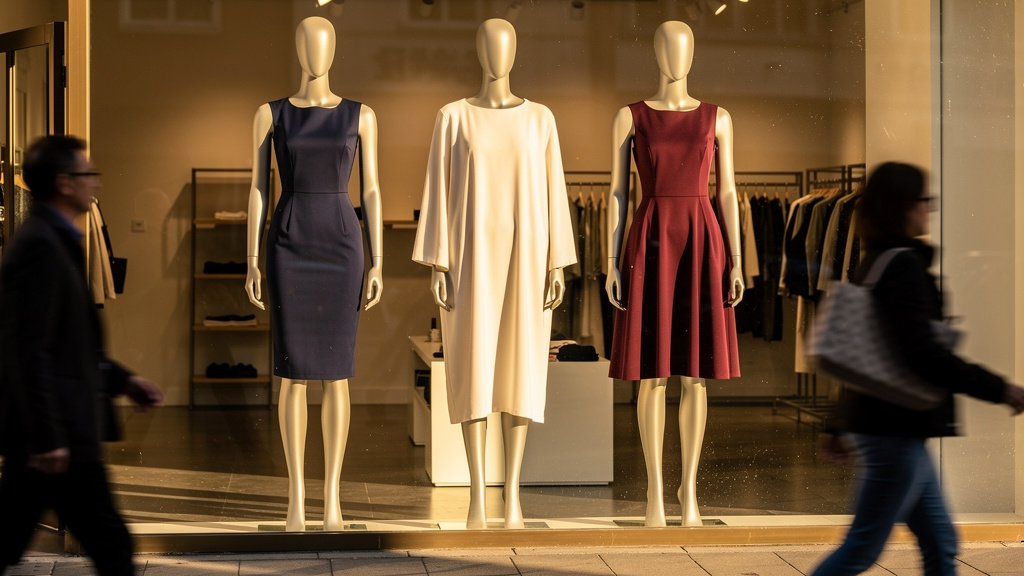
The Verdict: Why the Sheath Dress Endures
The sheath dress has survived nearly eight decades of fashion cycles because it does something few other garments can: it makes most people look polished with minimal effort. It's not the most dramatic silhouette, it's not the most comfortable, and it's certainly not the most forgiving but when you need to look put-together, the sheath dress delivers.
That's not nothing in a world where we constantly juggle professional demands, social obligations, and the desire to feel good in what we're wearing. The sheath dress asks only that you find the right fit which might mean alterations, which might mean shopping more carefully and then rewards you with a silhouette that works almost everywhere.
Whether you're wearing a vintage 1950s pencil dress you found at an estate sale or a new sheath dress from your favorite workwear brand, you're participating in a fashion tradition that connects you to decades of stylish women who made the same calculation: simplicity, structure, and timeless appeal over fleeting trends.