What Does 925 Mean on Jewelry? Your Complete Guide to Sterling Silver Hallmarks

What Does 925 Mean on Jewelry? Your Complete Guide to Sterling Silver Hallmarks
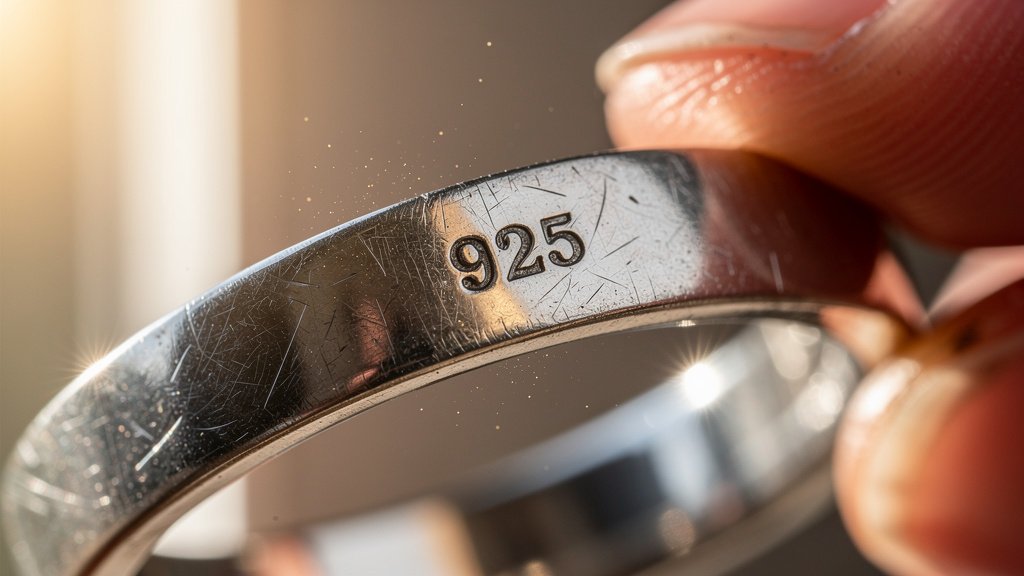
You've probably seen "925" stamped on silver jewelry and wondered what secret code jewelers were using. The answer is straightforward: that tiny marking is one of the most important quality indicators in the jewelry world. The 925 stamp means the piece contains 92.5% pure silver the international standard for what qualifies as genuine sterling silver.
This mark appears on everything from delicate chain necklaces to statement rings, and understanding it can mean the difference between investing in a piece that lasts decades versus buying something that will tarnish and break within months. Whether you're shopping for your first piece of silver jewelry or you're a seasoned collector, knowing what 925 means empowers you to shop smarter.
What Exactly Does the 925 Stamp Mean?
The number 925 represents the purity of the silver in your jewelry. When you see this hallmark, it indicates that the metal is composed of 92.5% pure silver and 7.5% other metals. That 7.5% isn't impurities it's an intentional alloy mixture, almost always copper, added to give the soft pure silver the durability it needs for everyday wear.
Pure silver, at 99.9% (often marked as 999), is remarkably beautiful but practically useless for jewelry. It's too soft, too malleable, and too prone to scratching and bending. The 925 standard solves this problem by creating an alloy that's both gorgeous and durable enough to last generations. According to the Jewelry Auctionsed, "The number 925 as a jewelry stamp is shorthand for 92.5 percent. A 925 stamp on sterling silver reflects its composition and thus silver purity."
The 925 marking is called a hallmark a term that originates from the historical practice of stamping precious metals to guarantee their purity. Hallmarks serve as a promise from the maker that the metal meets the stated standard. Without this mark, you have no reliable way to know what you're actually buying.
Why Does Sterling Silver Contain 7.5% Other Metals?
The short answer is durability, but the chemistry behind it is fascinating. Pure silver ranks 2.5 on the Mohs hardness scale softer than most people's fingernails. Add it to a ring or bracelet that encounters daily friction, and you'd have a piece that bends, scratches, and loses its shape within weeks.
Copper is the traditional companion metal for sterling silver, and it does more than just harden the alloy. The combination maintains silver's signature bright white luster while adding structural integrity. According to Gabriel & Co., "This mix adds strength and durability to the silver, making it more suitable for jewelry and everyday wear. Essentially, 925 silver is the standard for high-quality sterling silver, known for its balance of beauty and resilience."
Some modern alloys experiment with different metal combinations. You might see sterling silver that includes small amounts of zinc, silicon, or even platinum in the mix. These variations aim to reduce the tendency of sterling silver to tarnish a process where exposure to air causes the copper element to oxidize and leave the piece looking darkened. But the 925 standard remains constant regardless of what other metals join the alloy.
How Can I Tell If My 925 Jewelry Is Real?
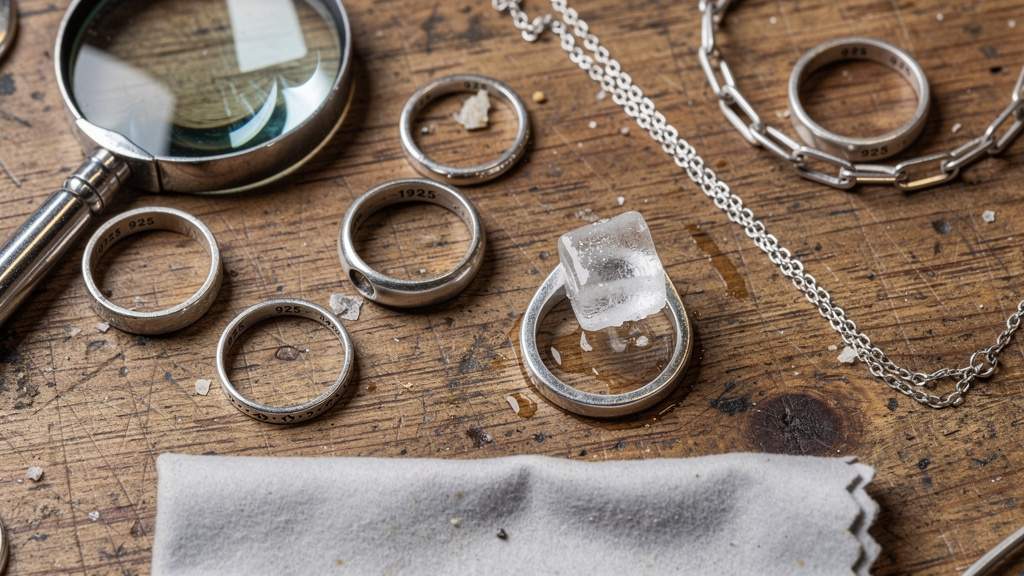
Finding the hallmark is your first step. Turn the piece over look near the clasp on necklaces, on the inside of rings, or on the back of pendants. The 925 stamp might be tiny, sometimes requiring a magnifying glass to read clearly. You might also see "Ster," "Sterling," or "S925" as alternative markings that mean the same thing.
The magnet test offers a quick initial check. Real silver is not magnetic, so if your piece attracts a magnet strongly, it's not genuine sterling silver. However, this test isn't foolproof some counterfeit pieces use non-magnetic metals that mimic silver's appearance. The ice test provides another at-home method: place an ice cube on the metal. Silver conducts heat extremely efficiently, so the ice should melt faster than it would on most other metals.
For definitive verification, the acid test remains the most reliable home method. A small drop of nitric acid applied to an inconspicuous area will turn creamy for genuine sterling silver but react differently for fake pieces. This test damages the metal slightly, so consider whether you're willing to make that sacrifice. Professional appraisers use X-ray fluorescence machines that can analyze the exact metal composition without any damage worth the investment for valuable pieces.
What Does 925 Mean When Stamped on Gold Jewelry?
Here's where things get interesting. A 925 stamp on gold jewelry doesn't mean you have a gold piece it means you have sterling silver underneath with a layer of gold on top. This is called gold vermeil (pronounced vehr-MAY), and it's a legitimate and often beautiful option for getting the look of gold at a fraction of the price.
According to Jewelry Auctioned, "A 925 stamp on gold jewelry means it's sterling silver (925 silver) with gold-plating. Most often, this is called gold vermeil." The key difference between vermeil and regular gold-plated jewelry lies in the base metal: vermeil specifically requires sterling silver underneath, while standard gold plating might use brass, copper, or other base metals.
For vermeil, the gold layer must be at least 10 karats and 2.5 microns thick to earn the designation legally in the US. This makes vermeil more durable than standard gold plating, though it will eventually wear through with enough use. If you see 925 on what appears to be gold jewelry, you've got a lovely hybrid piece enjoy it for its beauty but understand its construction.
How Does 925 Silver Compare to Other Purity Marks?
The jewelry world uses several numbers to indicate purity, and understanding them helps you shop intelligently. Pure silver at 999 is too soft for practical jewelry. The 925 standard also called sterling represents the sweet spot for durability while maintaining precious metal value. Coin silver, at 900, was common in American antique jewelry but isn't used for new pieces today.
For gold, the karat system works differently. 24 karat is pure gold, while 18 karat is 75% gold (marked 750), 14 karat is 58.3% gold (marked 583 or 585), and 10 karat is 41.7% gold (marked 417). The numbers don't translate directly between metals a 925 gold piece would actually be impossible since gold at 92.5% purity would be approximately 22 karat, not marked with the 925 system.
Platinum jewelry typically uses 950 (95% platinum) or 900 (90% platinum), while palladium increasingly popular in wedding bands follows similar standards. Each metal has its own purity scale, which can confuse buyers. When in doubt, look for the hallmark and research what that number means for that specific metal type.
The History Behind the 925 Standard
The term "sterling silver" has noble origins. According to The Collective Jewelry, "The term 'sterling' silver is believed to have originated in 12th-century England, where it was used to describe a high-quality silver alloy." Legend connects it to the Easterling coins German silver coins that were so reliable they became the standard against which English currency was measured.
By 1300, King Edward I of England mandated that all silver items meet the sterling standard, with penalties for silversmiths who cheated the alloy. This consumer protection law marked a turning point the beginning of hallmarking as we know it. The practice spread across Europe, with each country developing its own system of marks indicating purity, maker, and location.
The 925 hallmark itself became universal in the 20th century as global trade made a single standard necessary. Today, it's recognized in virtually every jewelry market worldwide. That tiny 925 stamp carries 800 years of history, quality assurance, and craftsmanship tradition.
Key Takeaways
- The 925 stamp indicates 92.5% pure silver the international standard for genuine sterling silver
- The remaining 7.5% is usually copper, added to give the soft pure silver durability for everyday wear
- A 925 stamp on gold jewelry means it's sterling silver with gold plating (vermeil), not solid gold
- Check for hallmarks near clasps, inside rings, or on pendant backs use a magnifying glass if needed
- The 925 standard dates back to 12th-century England and became universal in the 20th century
- Other purity marks include 999 (pure silver), 900 (coin silver), and karat marks for gold
Understanding what 925 means on jewelry transforms how you shop. That small stamp is your guarantee of quality, a tiny but powerful symbol connecting you to centuries of silversmithing tradition. The next time you see it, you'll know exactly what you're holding genuine sterling silver, built to be treasured.