Bridesmaid and Maid of Honor Duties: The Complete Role Breakdown

Bridesmaid and Maid of Honor Duties: The Complete Role Breakdown
Being asked to stand beside a bride on her wedding day is an honor that comes with real responsibilities. Whether you're the maid of honor or one of the bridesmaids, understanding your role before you say "yes" to the dress can save friendships, prevent awkward misunderstandings, and make the entire wedding planning process smoother for everyone involved. The duties extend far beyond showing up in a matching dress on the big day.
This guide breaks down everything you need to know about bridesmaid and maid of honor responsibilities, from the financial commitments to the day-of tasks that keep a wedding running smoothly. You'll find a clear comparison of what each role entails, a timeline for when responsibilities kick in, and answers to the questions people most frequently ask about these bridal party roles.
Understanding the Two Roles
The maid of honor and bridesmaids work together as a team, but their responsibilities differ in scope and intensity. The maid of honor serves as the bride's right-hand person throughout the entire wedding planning process, while bridesmaids provide support and assistance with specific tasks. Understanding this distinction from the start helps everyone set realistic expectations.
The title itself depends on marital status: a maid of honor is unmarried, while a matron of honor is married though the duties are identical regardless of what you call it. Some brides also designate a "chief bridesmaid" or "lead bridesmaid" who assists the maid of honor with coordination tasks, particularly in larger bridal parties where communication could become chaotic.
"The maid of honor's main responsibility is being a source of support for the bride, communicating with the bridesmaids and ensuring all the important tasks get done," according to The Knot's comprehensive guide to wedding party roles.
The Knot
Complete Maid of Honor Duties
The maid of honor takes on the most extensive set of responsibilities in the bridal party. Her role begins the moment she accepts the position and continues through the wedding day and even afterward. Here's what the job actually looks like in practice.
Pre-Wedding Responsibilities
Before the wedding, the maid of honor serves as the primary coordinator between the bride and the rest of the bridal party. She helps the bride narrow down options, keeps track of appointment details, and ensures everyone stays on the same page. This includes organizing the bridesmaid schedule for dress fittings, makeup trials, and other pre-wedding events.
The maid of honor typically takes the lead in planning the bridal shower and bachelorette party. This means handling logistics, determining locations, creating guest lists, and sending invitations. She often co-hosts these events with other bridesmaids and helps collect contributions for shower gifts and bachelorette expenses.
Emotional support is perhaps the most important and least discussed duty of the maid of honor. She listens when the bride needs to vent, offers reassurance during stressful moments, and helps manage family dynamics that might otherwise create tension. The bride should be able to confide in her maid of honor without fear of judgment or broadcast to the rest of the party.
Financial Responsibilities
Like all bridesmaids, the maid of honor is expected to cover her own wedding-related expenses. However, she often bears a larger financial burden because of her expanded role. According to wedding planning resources, MOH costs typically range from $500 to $2,500, depending on factors like the bridesmaid dress, bachelorette contributions, shower co-hosting, travel, and gifts.
The maid of honor collects funds from other bridesmaids for shared expenses like the bachelorette party and bridal shower. She ensures everything is paid for so the bride doesn't have to handle money matters during what should be a joyful planning process. Some brides choose to cover certain MOH expenses themselves, but this should be discussed upfront to avoid assumptions.
Wedding Day Duties
On the big day, the maid of honor has a packed schedule. She helps the bride get ready, ensuring she eats, stays hydrated, and manages pre-ceremony nerves. During the ceremony, she typically holds the bride's bouquet while the vows are exchanged and stands beside the couple during the proceedings.
The maid of honor often delivers a toast or speech at the reception, raising a glass to the newlyweds in front of the assembled guests. She may also be called upon to handle any emergencies that arise from a broken heel to a missing lipstick to a family member who needs calming. Having a calm, capable person to manage unexpected situations is invaluable on wedding day.
Bridesmaid Duties: What Every Bridesmaid Should Know
Bridesmaids support the maid of honor and, more importantly, support the bride throughout the wedding journey. While individual responsibilities vary based on the wedding size, planning style, and the bride's preferences, certain duties are universally expected.
Pre-Wedding Tasks
Every bridesmaid should be prepared to attend and participate in pre-wedding events. This includes the engagement party, bridal shower, bachelorette party, and any dress fittings or planning meetings the bride organizes. These aren't optional social events they're part of the job description.
Bridesmaids are expected to help plan and financially contribute to the bridal shower and bachelorette party. While the maid of honor typically takes the lead, all bridesmaids should offer assistance with logistics, guest list management, and covering their share of the costs. Planning a bridal shower involves determining the location, sending invitations, coordinating with other guests, and handling the details that make the event special for the bride.
Getting the bridesmaid dress and accessories is another core responsibility. The bride will typically specify a color, style, or designer, and bridesmaids are responsible for purchasing their own dresses within the specified budget and timeline. This also includes alterations, shoes, jewelry, and any hair or makeup the bride requests.
Wedding Day Responsibilities
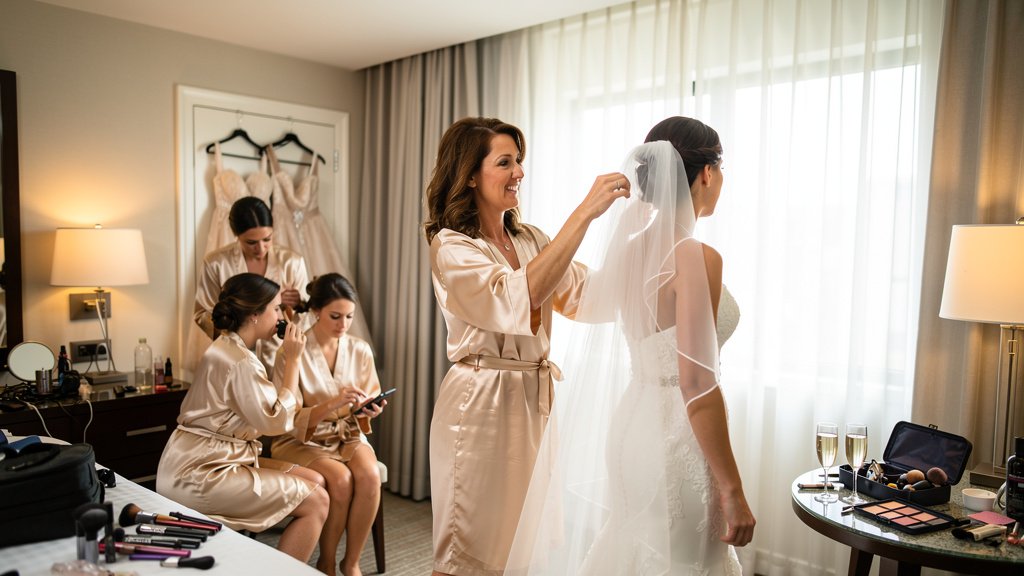
On wedding day, bridesmaids arrive early to help the bride and bridal party get ready. This means having hair and makeup done alongside the bride, helping her into her dress, and providing emotional support as the hours count down to the ceremony.
During the ceremony, bridesmaids walk down the aisle in prescribed order, stand or sit near the front, and participate in any ceremonial elements the couple has planned. After the ceremony, they may help with tasks like distributing programs, managing the guest book, or taking photographs.
At the reception, bridesmaids dance, celebrate with guests, and help ensure everything runs smoothly. They might assist with bustle duties (managing the bride's train), keep the dance floor full, and generally serve as enthusiastic hosts. Some bridesmaids are also asked to give a toast, though this is more commonly assigned to the maid of honor.
A Timeline: When Each Duty Kicks In
Understanding when responsibilities begin helps bridesmaids and maids of honor plan accordingly. Here's a realistic timeline for when each major duty typically occurs:
- 8-12 months before the wedding: Accept the role, discuss expectations and budget with the bride, begin bridesmaid dress shopping
- 6-8 months before: Confirm bridal party attendance at major events, begin bachelorette party planning
- 4-6 months before: Send bridal shower invitations, finalize bachelorette plans, order bridesmaid dresses
- 2-3 months before: Finalize all pre-wedding events, confirm travel accommodations, complete dress alterations
- 1 month before: Confirm all final details with the bride, wrap up any remaining planning tasks
- 1 week before: Confirm arrival times, review day-of timeline, prepare any speeches or toasts
- Wedding day: Arrive early, support the bride, execute all day-of responsibilities
Many duties start 8-12 months before the wedding, with the bridal shower typically held 4-6 weeks out. This timeline gives everyone ample time to budget, schedule, and prepare without last-minute panic.
Common Mistakes and Misconceptions
Several misconceptions about bridesmaid and maid of honor roles create problems that could be avoided with clearer communication from the start.
Myth: The bride covers all expenses. In reality, bridesmaids and maids of honor are responsible for their own costs, including the dress, travel, accommodations, gifts, and contributions to pre-wedding events. Assuming the bride will pay leads to uncomfortable conversations later.
Myth: Bridesmaids only need to show up on wedding day. The pre-wedding commitment is significant. Attending events, participating in planning, and being present for the bride throughout the process are all expected. Skipping these responsibilities damages both the friendship and the wedding planning.
Myth: The maid of honor should handle everything solo. The best maids of honor delegate effectively. They're leading a team, not running a one-woman operation. Asking other bridesmaids for help with specific tasks is not only acceptable it's necessary for larger events.
Myth: All bridesmaids have identical responsibilities. In practice, duties often distribute based on location, availability, and skills. A bridesmaid who lives nearby might handle more in-person tasks, while an out-of-town bridesmaid might contribute financially to events she can't attend.
Cost Breakdown: What to Budget For
Understanding the financial commitment before accepting a bridesmaid or maid of honor role prevents unpleasant surprises. Here's a realistic breakdown of what these roles typically cost:
These figures represent typical ranges; actual costs vary significantly based on location, wedding style, and individual circumstances. The maid of honor often spends on the higher end of this spectrum due to her expanded responsibilities, including co-hosting duties and additional coordination time.
Before accepting the role, have an honest conversation with the bride about budget. A good bride will ask about your budget constraints before making demands. If she doesn't bring it up, you should it's far better to discuss money early than to strain your finances or the friendship later.
Best Practices for Success
Standing out as an excellent bridesmaid or maid of honor comes down to communication, reliability, and anticipating needs before they become problems.
Establish clear communication channels early. Create a group chat or email thread that includes all bridesmaids and the bride. Respond promptly to messages, and don't assume someone else will pass along important information confirm that critical details reach everyone.
Keep the bride's preferences at the center of every decision. When disagreements arise about planning details, defer to what the bride wants. This is her wedding, and your role is to execute her vision not to impose your own preferences about venues, themes, or timelines.
Be flexible and patient. Wedding planning involves countless decisions, and circumstances change. A bridesmaid who adapts gracefully to last-minute changes, who offers solutions rather than complaints, and who maintains perspective during stressful moments is worth her weight in gold.
Take care of yourself too. The demands of being a bridesmaid can be significant, and you can't support the bride effectively if you're exhausted, broke, or resentful. Set boundaries, communicate your limits, and remember that being a good friend means being honest about what you can realistically handle.
Frequently Asked Questions
Can I say no to being a bridesmaid?
Yes, you can decline the invitation to be a bridesmaid. While it may feel awkward, it's better to decline respectfully than to accept and later realize you can't fulfill the responsibilities or worse, back out closer to the wedding. Be honest with the bride about your reasons, whether they're related to time, money, or personal circumstances. A true friend will understand.
What if I can't afford the expenses?
Have an honest conversation with the bride as soon as possible. Explain your budget constraints and ask if there are ways to reduce costs perhaps a less expensive dress option, or participating in events in a more limited capacity. Many brides appreciate knowing upfront and will work with you to find solutions. Don't suffer in silence and then resent the bride for expenses you agreed to.
Do I have to attend every event?
Major events like the bridal shower, bachelorette party, and wedding are typically considered mandatory. However, circumstances like work obligations, family commitments, or health issues can sometimes prevent attendance. Communicate with the bride as early as possible about any conflicts. Missing routine planning meetings or minor events is generally acceptable if you've communicated proactively.
Who pays for the bachelorette party?
The cost of the bachelorette party is typically split among all participants, including the maid of honor and bridesmaids. The bride usually pays for her own expenses at the event. In some friend groups, the maid of honor covers a larger share or the entire cost, but this should be discussed and agreed upon by the group not assumed.
What if there's conflict among the bridesmaids?
The maid of honor often serves as a mediator in conflicts among bridesmaids. If tensions arise, address them privately and directly rather than allowing resentment to build. Keep the bride informed only if absolutely necessary she has enough stress without managing interpersonal drama among her bridesmaids. Sometimes, bringing in the bride or a neutral party to mediate is necessary for serious conflicts.
Can I bring a plus-one to events?
This depends on the specific event and what the bride or event hosts have specified. Bachelorette parties and bridal showers often have strict guest limits and may not allow plus-ones, especially if the guest list is large. Always check the invitation or ask the host before assuming you can bring someone. For the wedding itself, check your invitation it will specify whether you've been given a plus-one.
What should I do if the bride's expectations are unrealistic?
If you feel the bride's expectations exceed what you can reasonably provide, have a candid conversation. Frame it from your perspective: "I want to support you the best I can, but I have to be upfront about what I can handle right now." Offer specific alternatives that still demonstrate your commitment. If the bride reacts poorly to reasonable boundaries, that's information about the friendship worth considering.

Key Takeaways
- The maid of honor serves as the bride's primary support and coordinator, handling emotional support, bridesmaid communication, event planning, and wedding-day logistics.
- Bridesmaids support the bride and assist the maid of honor by attending events, helping plan pre-wedding parties, and fulfilling their financial obligations.
- Financial responsibilities for both roles typically range from $500 to $2,500 or more, covering the dress, events, travel, and gifts.
- Pre-wedding duties begin 8-12 months before the wedding, with the most intensive period in the final 4-6 months.
- Clear communication about expectations and budget from the start prevents misunderstandings and protects both the friendship and the wedding planning process.
- The maid of honor should delegate effectively rather than trying to handle everything solo she's leading a team, not running a one-woman show.
- Before accepting either role, have an honest conversation about time, financial, and emotional commitments to ensure you can fulfill them meaningfully.