What to Wear to an Interview as a Teenage Girl: Your Complete Style Guide

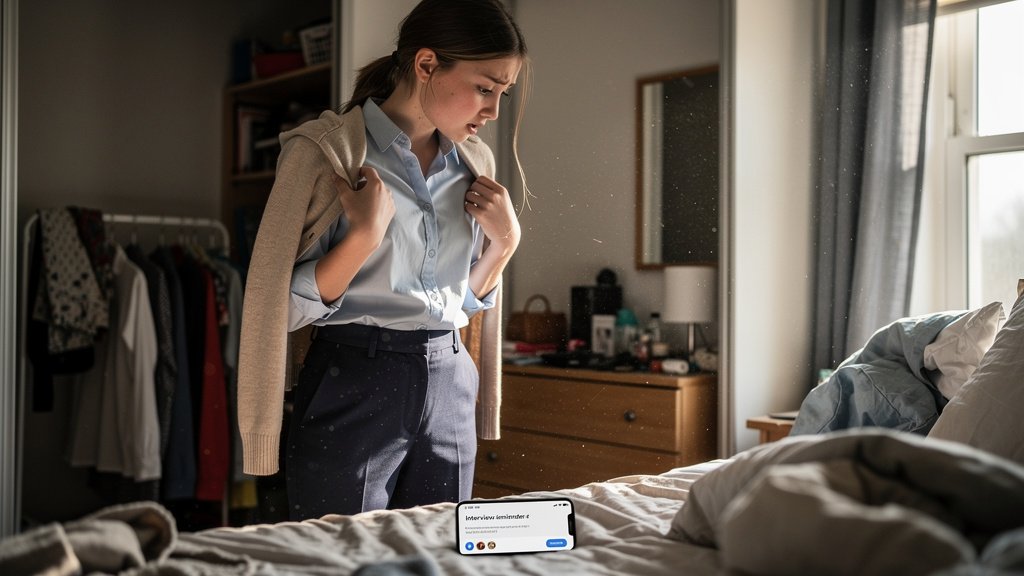
What to Wear to an Interview as a Teenage Girl: Your Complete Style Guide
Walking into your first job interview is a big deal. Your heart might be racing, your palms might be sweaty, and chances are you're spending way more time than usual staring at your closet. What you wear matters more than you might expect. Research shows that most hiring managers form an opinion about candidates within the first few seconds of meeting them before you even say a word. That's why nailing your interview outfit isn't about looking like a corporate executive; it's about showing you're taking this opportunity seriously and that you understand what professional behavior looks like.
Whether you're applying for a part-time retail position, a gig at the local fast-food restaurant, or a summer internship at an office, this guide will walk you through exactly what to wear to an interview as a teenage girl, with practical options for every type of job.
Why Your Interview Outfit Actually Matters
Let's be honest: your skills and personality matter far more than your outfit in the long run. But here's the uncomfortable truth you never get a second chance to make a first impression. Studies consistently show that the vast majority of hiring decisions are influenced by initial impressions, often formed within the first seven seconds of meeting someone.
When you dress well for an interview, you're not trying to be someone you're not. You're signaling maturity, respect for the interviewer's time, and an understanding of professional norms. For teenagers especially, this can set you apart from other candidates who might show up underdressed or looking like they just rolled out of bed. The right outfit boosts your confidence too when you look good, you feel good, and that comes through in how you answer questions and carry yourself.
"It's the interviewer's first impression of you, and it comes before you utter a word. There's a delicate balance between overdressing and underdressing aim to match or slightly elevate the company's dress code." Career Services Expert, Hendrix College
Understanding Dress Codes: Business Casual vs. Smart Casual
Before we get into specific outfit ideas, you need to understand what "dress code" actually means. Most teenage job interviews fall into one of two categories:
Business Casual
This is the safest bet for most teen interviews. Business casual means polished but not overly formal. Think collared shirts, blouses, dress pants or khakis, and closed-toe shoes. You shouldn't look like you're going to a wedding, but you also shouldn't look like you're going to the gym.
- Button-down shirts or blouses in solid colors
- Dark jeans (no rips, no distress) or dress pants
- Khakis or tailored shorts for more casual environments
- Cardigans or blazers for layering
- Clean, closed-toe flats, loafers, or low heels
Smart Casual
Smart casual is a step down from business casual and works for very casual environments like coffee shops, fast-food restaurants, or retail stores. It's still put-together, but you have more flexibility.
- Nice polo shirt or plain t-shirt with a blazer
- Dark jeans with a clean finish
- Minimal jewelry and natural makeup
- Clean sneakers or casual flats
The golden rule: when in doubt, dress slightly more formal than you think you need to. It's much easier to tone down an outfit (by removing a blazer) than to magically make casual clothes look professional.
Outfit Ideas by Industry Type
Not all interviews call for the same outfit. Here's a breakdown of what works best depending on where you're applying:
Retail Jobs
Retail positions typically allow for smart casual attire. You're meeting with a store manager who wants to see that you can represent their brand well.
A nice blouse (solid color or subtle pattern) paired with dark jeans or a knee-length skirt works perfectly. Add a cardigan or light blazer if you want extra polish. Flat shoes or low wedges are appropriate you'll probably be on your feet anyway, so comfort matters.
Food Service & Fast Food
Even for fast-food interviews, you want to look like you care. Skip the jeans-and-t-shirt look entirely.
A simple button-down shirt or blouse with dress pants or a modest skirt is ideal. Closed-toe shoes are a must no flip-flops or sandals. If you're wearing a skirt, make sure it's an appropriate length (at or below the knee when seated).
Office Internships or Professional Settings
If you're interviewing for an office role, even a part-time one, business casual is the minimum. A blazer elevates any outfit instantly.
Pair a tailored blazer with dress pants or a pencil skirt. A button-down shirt or silk blouse underneath keeps it professional but not stuffy. Low heels, flats, or clean leather sneakers complete the look.
Summer Camps, Babysitting, or Dog Sitting
These informal positions still deserve effort, but you don't need to overdo it. Clean, wrinkle-free casual clothes work here.
A nice polo or solid-colored t-shirt with khakis or clean dark jeans shows you made an effort without looking over-the-top. Clean sneakers or casual flats are fine.
What NOT to Wear: Common Mistakes to Avoid
Knowing what to avoid is just as important as knowing what to wear. Here are the biggest outfit mistakes teenage girls make at job interviews:
- Athletic wear: No sweatpants, yoga pants, athletic shorts, or hoodies. Ever.
- Too much skin: Skip crop tops, spaghetti straps, low-cut necklines, and skirts that are too short. You want to be remembered for your answers, not your outfit.
- Jeans that are too casual: Light-wash jeans, ripped jeans, or jeans with excessive distressing are a no-go. Dark jeans can work in smart casual settings, but always check first.
- Loud or distracting pieces: Avoid clothes with large logos, graphic tees with messages, or extremely bright patterns that will distract the interviewer from what you're saying.
- Flip-flops or athletic shoes: These are too casual. Even if the job is casual, show you can rise to the occasion.
- Excessive accessories or makeup: Keep jewelry minimal and makeup natural. You want to look like the best version of yourself, not a different person.
One more thing: always make sure your clothes are clean, wrinkle-free, and fit well. Ill-fitting clothes whether too tight or too loose send the wrong message. Take the time to iron or steam your outfit the night before.
How to Prepare Your Interview Outfit: A Step-by-Step Checklist
Don't wait until the morning of your interview to figure out what you're wearing. Here's how to prepare in advance:
- Research the company: Check their website, social media, or indeed the manager if you've spoken to them. Do they look formal or casual in their photos? When in doubt, call the store or office and ask what their dress code is for interviews.
- Plan your outfit at least one day before: Lay out everything top, bottom, shoes, accessories so you can see how it all looks together. Make sure nothing needs ironing or repairs.
- Try it on and move around: Sit, stand, and walk around in your outfit. Can you breathe comfortably? Do shoes pinch? You'll be sitting in the interview, so test it beforehand.
- Check the details: Make sure clothes are clean, shoes are polished or wiped down, and there are no loose threads or missing buttons.
- Prepare a backup: If possible, have a Plan B in case something goes wrong (spilled coffee, torn hem). Keep it simple.
Accessories, Grooming, and the Finishing Touches
Your outfit isn't complete without the right accessories and grooming. Here's what to keep in mind:
Shoes: Clean, closed-toe shoes are non-negotiable for most interviews. Flats, loafers, or low heels work well. Make sure they're comfortable enough that you can walk confidently. If you need to break in new shoes, do it days before not the morning of your interview.
Jewelry: Keep it minimal. Small earrings, a simple necklace, or a classic watch are fine. Avoid anything that makes noise (jangling bracelets) or draws too much attention.
Hair: Clean, neat hair is essential. Whether you wear it down, up, or in braids, make sure it looks intentional. If you have bangs or layers that frequently get in your face, consider pinning them back for the interview.
Makeup (if you wear it): Go for natural and minimal. You want to look polished, not made-up. If you don't normally wear makeup, don't feel pressured to start for an interview.
Nails: Clean, trimmed nails are a small detail that makes a big difference. Skip bold nail polish colors or chipped polish stick to natural shades or a clean, neutral manicure.
Fragrance: Avoid strong perfumes or colognes. Some people have sensitivities or allergies, and you don't want the interview room to smell overwhelming.
The Bottom Line on Teen Interview Style
Here's what I genuinely believe after covering professional style for years: the best interview outfit is one that makes you feel confident and comfortable. That doesn't mean wearing your favorite ripped jeans it means wearing something that shows you respect the opportunity and understand professional expectations.
Most teenage girls don't need to run out and buy an expensive suit. You probably already have pieces in your closet that work a nice blouse, some dark pants or a pencil skirt, a cardigan. The key is presentation: clean, wrinkle-free, and appropriate for the role you're pursuing.
One thing I couldn't fully resolve from my research: exactly how much formalwear matters for very casual positions like dog sitting or lawn care. Some experts say "dress for the job you want," while others argue that overdressing for a pizza shop interview can feel awkward. My take? Err on the side of slightly more formal. A nice top and dark jeans will never be wrong, and it shows maturity that many teenage applicants lack.
Frequently Asked Questions
Can I wear jeans to a job interview as a teenager?
It depends on the job and the company's dress code. Dark jeans with no rips or distressing can work for smart casual environments like retail or food service, but they're generally not appropriate for office settings or formal interviews. When in doubt, opt for dress pants or khakis instead. If you want to wear jeans, call ahead and ask if they're acceptable or play it safe and skip them.
Do I need to wear a blazer to a teen job interview?
No, a blazer isn't required for most teenage job interviews. However, a blazer or cardigan is a great way to elevate a simple outfit and show extra professionalism. If you're wearing a blazer, pair it with a nice top underneath don't wear it over a t-shirt with graphics on it. A blazer is especially helpful if you're unsure about the dress code, as it instantly makes any outfit look more polished.
What shoes should a teenage girl wear to a job interview?
Closed-toe shoes are the safest choice. Flats, loafers, or low heels work well for most interviews. Make sure they're clean and in good condition. Avoid flip-flops, sandals, sneakers (unless they're very clean white leather ones), or anything too casual. If you've never worn heels before, don't start on interview day stick to flats or low wedges you're comfortable in.
Is it okay to wear a skirt to a job interview?
Yes, but it needs to be the right kind of skirt. A knee-length pencil skirt or A-line skirt in a professional fabric (like cotton or wool) looks great. Avoid mini skirts, overly tight skirts, or skirts with distracting patterns. When seated, make sure the skirt doesn't ride up too high. If you're more comfortable in pants, that's completely fine too there's no rule that says you have to wear a skirt.
Should I wear makeup to a job interview?
If you already wear makeup daily, stick to a natural, polished look think tinted moisturizer, a little mascara, and a neutral lip color. If you don't normally wear makeup, don't feel like you need to start. The goal is to look like the best version of yourself, not to look like a different person. Heavy makeup can be distracting and may give the wrong impression. Keep it simple, clean, and age-appropriate.
What if I can't afford nice interview clothes?
You don't need to spend a lot of money to look professional. Check your local thrift stores for blazers, dress pants, and nice blouses you can often find quality pieces for just a few dollars. Borrow something from a parent, older sibling, or friend. Many schools also have career services or clothing closets that provide free interview attire for students. The most important thing is that your clothes are clean and fit well expensive labels aren't required.
Can I wear a ponytail or is that too casual?
A neat ponytail or bun is perfectly fine for a job interview. In fact, it can look polished and professional, especially if you've been nervous about your hair all day. Just make sure it looks intentional not like you just came from gym class. If you usually wear your hair down and it's prone to getting in your face, pulling it back can actually help you look more focused and put-together.

Key Takeaways
- Research the company's dress code before your interview and aim to dress slightly more formal than expected.
- Business casual is the safest default for most teen job interviews clean, polished, and professional without being overdressed.
- Avoid athletic wear, too much skin, loud patterns, jeans that are too casual, flip-flops, and excessive accessories.
- Prepare your outfit the night before: check for wrinkles, ensure good fit, and test comfort by sitting and moving around.
- Keep accessories minimal, makeup natural, and grooming clean you want to be remembered for your personality, not your outfit.
- Dark jeans can work for smart casual roles, but dress pants or khakis are safer choices when you're unsure.
- Confidence is your best accessory: wear something that makes you feel capable, prepared, and ready to impress.