How Do You Polish Copper Jewelry: Methods That Actually Work

How Do You Polish Copper Jewelry: Methods That Actually Work
Copper jewelry develops a patina over time that's just chemistry doing its thing when the metal reacts with oxygen and moisture in the air. Whether you want to embrace that aged look or restore your pieces to their original shine depends entirely on your aesthetic preference, but knowing how to polish copper jewelry gives you control over how your pieces evolve. The tarnish that forms on copper isn't damage; it's a natural oxidation process that some designers intentionally cultivate for its vintage appeal, while others prefer the bright, penny-fresh glow of newly polished metal.
Copper's dual nature is well documented it's affordable, antimicrobial, and doesn't require mining rare earth elements, making it an ethical choice for conscious consumers. But that same reactive quality that makes copper interesting also means it demands more maintenance than inert metals like stainless steel.
The Lemon and Salt Method
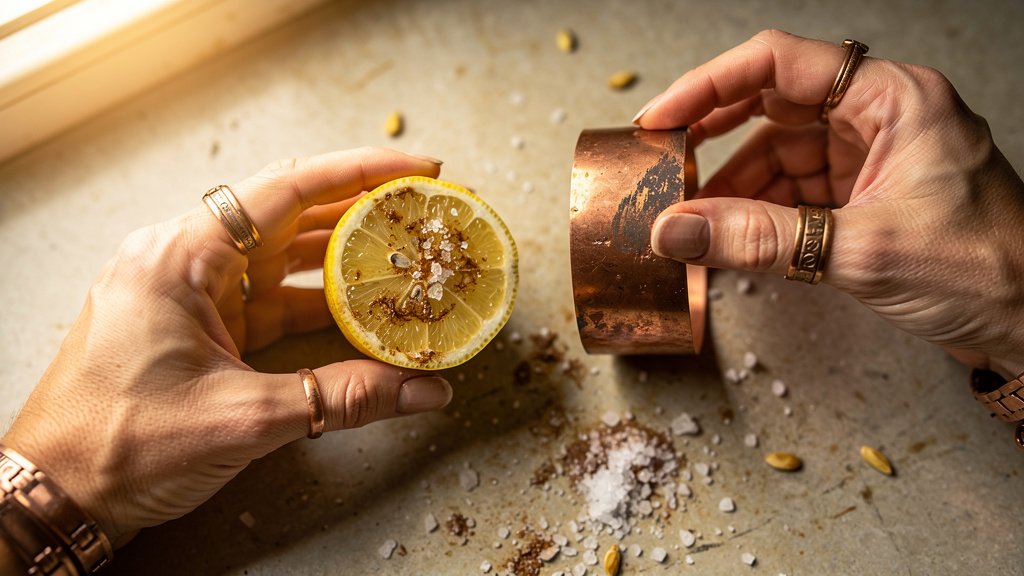
Cut a lemon in half and sprinkle coarse salt directly onto the cut surface. The citric acid in lemon juice breaks down copper oxide (the chemical name for tarnish), while salt crystals provide gentle abrasion to physically lift the oxidation without scratching the underlying metal. Rub the salted lemon over your copper jewelry in small circular motions, applying light pressure you'll see the tarnish transferring onto the lemon almost immediately, which is oddly satisfying if you're into that sort of thing.
Let the lemon juice sit on the copper for two to three minutes maximum. Any longer and you risk the acid etching the surface, especially if your piece has a protective coating or mixed-metal components. Rinse thoroughly under lukewarm water hot water can sometimes leave mineral deposits if your tap water is hard and dry immediately with a soft cotton cloth. Leaving copper wet invites new oxidation to form before you've even put the piece back in your jewelry box.
This method works particularly well for rings and bracelets with simple designs, where you can reach every surface easily. Intricate filigree or pieces with gemstone settings require more caution, since you don't want lemon juice seeping into glue joints or behind stones. For those, you're better off using a cotton swab dipped in the lemon-salt mixture to target only the copper surfaces, which takes longer but prevents repair bills down the line.
Vinegar and Baking Soda for Stubborn Tarnish
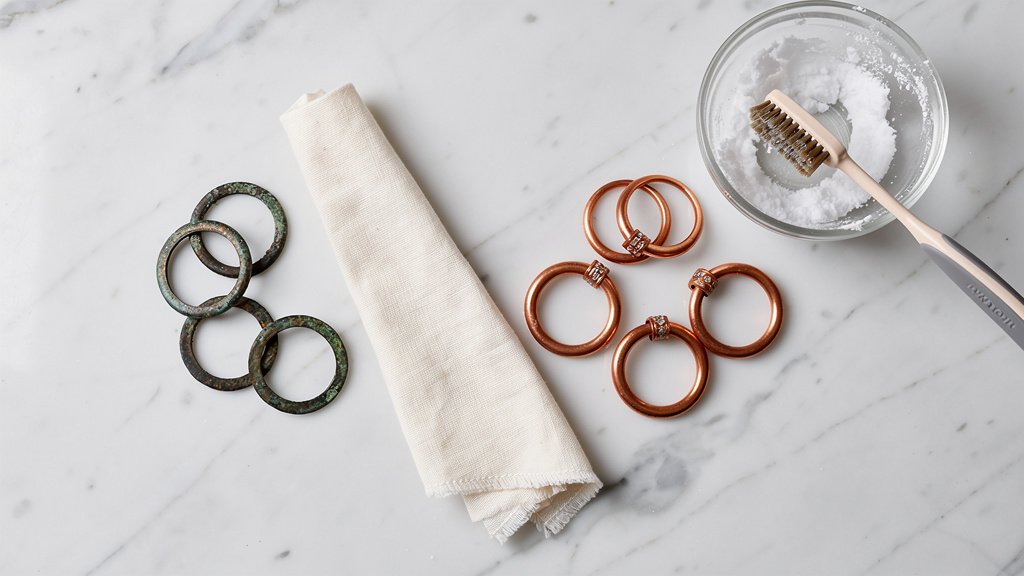
When lemon juice isn't cutting it usually because the tarnish has progressed beyond surface oxidation into that greenish verdigris stage white vinegar and baking soda create a stronger cleaning reaction. Mix one tablespoon of baking soda with just enough white vinegar to form a paste with the consistency of toothpaste. The mixture will fizz aggressively when the acid hits the base; that effervescence is carbon dioxide gas releasing, and it's part of what makes this combination effective at lifting embedded tarnish.
Apply the paste to your copper jewelry using an old toothbrush or your fingers, working it into crevices and textured areas where tarnish tends to accumulate. The paste method gives you more control than a liquid soak, which is important for pieces that combine copper with other materials leather cords, fabric wraps, or porous stones like turquoise that can be permanently stained by acidic solutions.
Leave the paste on for five to ten minutes, checking periodically to see how the tarnish is responding. I've found that heavily oxidized pieces sometimes need a second application, but resist the urge to leave it on for half an hour thinking more time equals better results. Extended exposure to even mild acids can dull copper's natural luster or, worse, create an uneven finish that's harder to correct than the original tarnish. Rinse completely and dry with a lint-free cloth, buffing in the direction of any existing grain or texture in the metal.
The Soaking Approach for Delicate Pieces
Some copper jewelry particularly vintage pieces or those with delicate wirework can't handle the mechanical action of scrubbing. For these, create a cleaning bath by mixing one cup of white vinegar with one tablespoon of table salt in a glass or ceramic container. Never use metal containers for this; they can create galvanic reactions that transfer tarnish from your jewelry onto the container, or vice versa, depending on the metals involved.
Submerge your copper jewelry completely and let it soak for fifteen to thirty minutes, checking every five minutes or so. You'll see the liquid gradually turn blue-green as copper ions dissolve into the solution that's the tarnish coming off, though it looks alarmingly like you're destroying the piece. You're not, as long as you don't exceed thirty minutes. Remove the jewelry, rinse it thoroughly, and dry it immediately.
When Commercial Cleaners Make Sense
Dedicated copper polishes and commercial jewelry cleaners exist for a reason, and sometimes they're the right tool. If you're dealing with copper jewelry that incorporates other metals brass accents, sterling silver details, or gold-filled elements household acids can react unpredictably with the different alloys. Commercial formulas are pH-balanced to clean copper without attacking other materials, which is worth the extra cost if you're working with pieces that have sentimental or significant monetary value.
Read the ingredient list before you buy, though. Some copper cleaners contain harsh chemicals like ammonia or phosphoric acid that work quickly but can leave a matte finish on certain copper alloys, particularly those with high zinc content. Look for cleaners specifically labeled for jewelry rather than cookware; the latter are formulated for thicker copper that can tolerate more aggressive treatment than the thin gauge used in most jewelry.
Apply commercial cleaners according to package directions I know that sounds obvious, but I've watched people use three times the recommended amount thinking it'll work faster, then wonder why their copper looks stripped. Less is genuinely more with chemical cleaners, and you can always do a second application if the first doesn't fully remove the tarnish.
Preventing Tarnish Between Polishing Sessions
The best polish job is the one you don't have to do because you've prevented tarnish from forming in the first place. Store copper jewelry in airtight containers or zip-lock bags with anti-tarnish strips those little paper squares contain activated charcoal or other compounds that absorb the sulfur compounds in air that cause oxidation. Without exposure to those sulfides, copper stays bright significantly longer, sometimes for months instead of weeks.
Remove copper jewelry before showering, swimming, or exercising. Chlorine in pools and tap water accelerates tarnish formation, as does the salt in sweat. Lotions, perfumes, and hairsprays create a film on copper that traps moisture against the metal, essentially creating a micro-environment perfect for oxidation. Put your jewelry on last when getting ready, after you've applied all your products and they've had a chance to dry.
Some people swear by coating copper jewelry with clear nail polish to create a barrier between the metal and air. This works, technically, but it's a short-term solution that requires reapplication every few weeks as the polish chips off. It also changes the feel of the jewelry slightly you lose that cool metal-on-skin sensation and if you're buying copper specifically for its supposed antimicrobial properties, sealing it defeats that purpose entirely. I'm skeptical of the health claims around copper jewelry anyway, but that's a different conversation.
What About Patina You Want to Keep?
Not all tarnish is created equal, and not all of it should be removed. Intentional patina the dark recesses in stamped or etched designs that create visual depth and contrast is often applied by the artist using liver of sulfur or other patination solutions. Aggressive polishing removes this along with the unwanted tarnish, flattening the design and eliminating the dimensionality that made the piece interesting in the first place.
If you want to clean copper jewelry while preserving intentional patina, use warm soapy water and a soft cloth for regular maintenance, reserving the acidic methods only for the high points you want to keep bright. This selective polishing technique requires patience and a light touch use a polishing cloth or very fine steel wool (0000 grade only) to gently buff raised surfaces while avoiding recessed areas. It's the approach most jewelry makers use on their own work, and it maintains the piece's original artistic intent rather than fighting against it.
The Tumbling Option for Volume Cleaning
If you have multiple copper pieces that need polishing or if you make copper jewelry and need to finish several pieces at once rotary tumblers offer a hands-off solution. Fill the tumbler barrel with small stainless steel shot, water, a drop of dish soap, and your copper jewelry, then let it run for one to three hours. The constant tumbling action and the friction between the steel shot and copper surfaces burnishes the metal to a high shine without the elbow grease.
Tumblers cost anywhere from forty dollars for basic models to several hundred for professional-grade equipment, so this method only makes sense if you're polishing copper jewelry regularly. The other limitation is that tumbling works best on simple shapes chains, plain bands, smooth bangles and can damage pieces with delicate elements or gemstones. Anything with moving parts, like hinged lockets or articulated links, should be hand-polished to avoid bending or breaking the mechanisms.
Addressing the Green Skin Issue
While we're talking about copper maintenance, the green discoloration that copper jewelry sometimes leaves on skin deserves mention because people often confuse it with a cleaning problem. That green residue is copper salts formed when the metal reacts with the acids in your sweat it's not dirt, and polishing your jewelry more thoroughly won't prevent it. The only real solutions are coating the jewelry (which we've covered), choosing copper alloys with less reactive metals mixed in, or accepting that you'll need to wash the green off your skin periodically with soap and water. It's harmless, just annoying.
Some skin types react more strongly to copper than others, and factors like diet, hormones, and even the pH of your skincare products can influence how quickly that green staining occurs. If you're someone who turns green from copper within hours of putting it on, you might be better off with copper-plated pieces over a base metal that doesn't react with your skin chemistry, though that introduces its own maintenance issues as the plating eventually wears through.
Polishing Frequency and Long-Term Care
How often you need to polish copper jewelry depends on your local climate, how often you wear the pieces, and your personal tolerance for tarnish. In humid coastal environments, copper can develop visible oxidation within days; in dry climates, it might stay bright for weeks. There's no universal schedule, but most people find that polishing copper jewelry every two to four weeks maintains the look they want without the process becoming a burden.
Over-polishing is real and can gradually thin the metal, particularly on pieces that are already lightweight or have been polished aggressively in the past. If you notice your copper jewelry developing thin spots or rough patches where it used to be smooth, you're polishing too frequently or using methods that are too abrasive. Scale back to gentler cleaning methods and longer intervals between polishing sessions.
The reality is that copper jewelry requires more active maintenance than most other metals commonly used in fashion accessories. Whether that trade-off is worth it depends on how much you value copper's unique warm color, its affordability compared to precious metals, and your willingness to spend ten minutes every few weeks keeping your pieces looking their best. That maintenance routine can feel meditative or it can feel like a chore and if it's the latter, sterling silver or gold-filled options that require less attention may be a better fit. Neither preference is wrong; it's simply a matter of knowing what you're signing up for when you buy copper in the first place.