Women's Black Tie Dress Code: The Complete Guide to Formal Event Attire

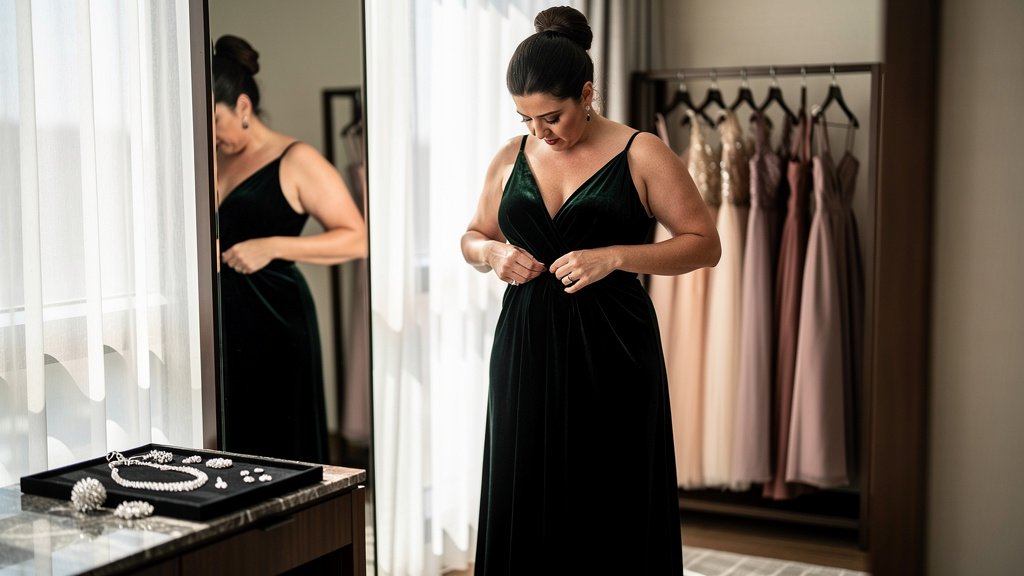
Receiving an invitation with "black tie" written on it can feel like solving a puzzle. For women, the dress code isn't as straightforward as it is for men who simply reach for a tuxedo. The question of what to wear to a black tie event leaves many of us scrolling through endless options, wondering if floor-length is truly mandatory or if that sophisticated cocktail dress might pass. This guide breaks down everything you need to know about dressing for black tie events, from the traditional rules to modern interpretations that let your personal style shine through.
What Black Tie Actually Means for Women
Black tie is one of the most formal dress codes you'll encounter, typically reserved for evening events like galas, black-tie weddings, award ceremonies, and milestone celebrations. The term originates from men's evening wear a black tie tuxedo but has evolved into a clear set of expectations for women as well.
At its core, black tie for women calls for elegant, formal evening wear that conveys sophistication and respect for the occasion. While the rules have relaxed somewhat in recent years, the dress code still demands attention to fabric, length, and overall polish. According to Vogue's guide to black-tie dress code, "for women, we can generally assume that 'black tie' equals 'long'" though this isn't an absolute rule, it captures the spirit of what's expected.
The key is understanding that black tie isn't about following every rule rigidly; it's about projecting formality and elegance appropriate to the event's elevated nature. Whether you're attending a gala at the Met or a friend's black-tie wedding, the goal is the same: look polished, feel confident, and respect the occasion's formality.
Types of Black Tie Attire for Women
Getting black tie right starts with understanding what's actually on the table. Here's a breakdown of what's considered appropriate:
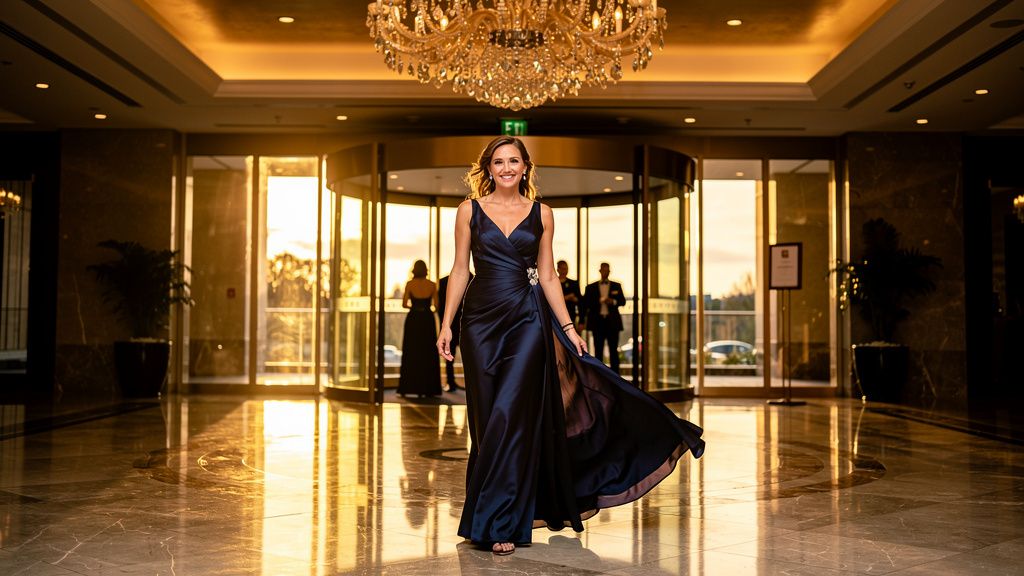
- Floor-Length Evening Gowns: The most traditional and safest choice for black tie events. These span the full length of your leg, often sweeping the floor for dramatic effect. Think luxurious fabrics like velvet, silk, satin, or chiffon in colors that work for evening classic black, navy, or rich jewel tones.
- Formal Cocktail Dresses: While shorter than floor-length, a sophisticated cocktail dress in luxurious fabrics can work at some black tie events, particularly if the invitation offers any flexibility or if the event leans slightly less formal. The key is fabric quality and overall elegance a beaded or sequined cocktail dress in a formal silhouette can absolutely work.
- Elegant Jumpsuits: Modern black tie dressing has embraced the jumpsuit as a sophisticated alternative to dresses. A well-tailored formal jumpsuit in a dressy fabric think satin or crepe can be just as appropriate as a gown, particularly for women who prefer trousers or want to stand out.
- Floor-Sweeping Hemlines: If a full gown feels like too much, anything that reaches below the knee or "sweeps" the floor creates the same formal impression. Tea-length dresses (falling around the ankle) can work for less strict black tie events.
The common thread across all these options is fabric quality and formality. A black tie event calls for materials that feel luxurious and special nothing that reads as casual or daytime.
How to Choose the Right Black Tie Outfit
Pulling together a black tie look means weighing a few factors at once venue, time of year, your own wardrobe, and the impression you want to make. Here's how to think through the decision:
- Read the Invitation Carefully: The wording matters. "Black Tie" suggests stricter adherence to traditional rules, while "Black Tie Optional" or "Black Tie Invited" gives you more flexibility. Some invitations specify creative black tie, which encourages more expressive fashion choices.
- Consider the Event Type: A gala at a museum calls for different energy than a black-tie wedding. Galas often allow for more dramatic, fashion-forward choices, while weddings typically favor classic elegance that won't distract from the couple.
- Think About the Venue: Indoor evening events at elegant venues call for full formality. Outdoor events, particularly in daylight or during summer months, might allow slightly more relaxed interpretations while still maintaining sophistication.
- Choose Your Silhouette: Consider what flatters your body type and makes you feel confident. A fitted column gown creates a sleek silhouette, while an A-line or ballgown offers more dramatic movement. The best choice is one where you feel comfortable and elegant.
According to The Knot's black tie attire guide, "women should wear elegant floor-length gowns or formal cocktail dresses to nail the black-tie dress code." Their recommendation emphasizes that when in doubt, erring on the side of formality is always the safer bet you'll never be underdressed in a floor-length gown.
Black Tie Dress Code: Fabric and Color Guidelines
The fabrics you choose communicate formality just as much as the silhouette. Here's what works best for black tie events:
Despite the name "black tie," you aren't limited to black. While it's a foolproof choice, deep jewel tones like emerald green, sapphire blue, and ruby red work beautifully for evening events. Metallics gold, silver, champagne can work for galas and celebrations. The key is choosing colors that feel evening-appropriate and luxurious.
Accessories and Finishing Touches
Your accessories can elevate a simple dress to black tie perfection or overwhelm an elaborate gown. Here's how to get the balance right:
- Jewelry: Black tie calls for refined, elegant pieces. Statement earrings work beautifully with updos, while a classic necklace adds sophistication to simpler dresses. Avoid anything that feels casual or chunky this isn't the time for everyday jewelry.
- Shoes: Formal heels are the traditional choice, but elegant dressy flats in satin or with embellishments work too. Whatever you choose, ensure you can walk comfortably in them, especially if there's dancing involved.
- Clutches: A small evening bag often no larger than a wallet completes the look. Look for options in matching fabrics or metallic finishes that can hold essentials like your phone, keys, and a small lipstick.
- Outerwear: For winter events, a formal coat or cape adds warmth without sacrificing style. A faux fur stole or elegant wrap works beautifully for formal occasions.
The principle to remember is that accessories should complement, not compete. If your gown is heavily embellished, keep jewelry minimal. If your dress is simple, you have more room for statement pieces.
Common Mistakes to Avoid
Black tie has enough unwritten rules that even well-dressed people get tripped up. The mistakes below come up repeatedly and most of them are easy to sidestep once you know what to watch for:
One of the biggest errors is confusing black tie with formal or cocktail attire. Black tie is more formal than both, so a knee-length party dress that works perfectly for a cocktail wedding will likely read as too casual for black tie. According to Marks & Spencer's black tie guide, "anything casual, like trainers, polo shirts, or shorts, are also an immediate no-go" but the same applies to dresses that lean too casual in fabric or silhouette.
Another mistake is choosing comfort over formality. While you want to be able to move and dance, black tie isn't the occasion for flat shoes, casual sandals, or anything that reads as everyday. The formality of your footwear matters as much as your dress.
Finally, many women underestimate the power of tailoring. A gown that fits perfectly looks exponentially more expensive and elegant than one that's close but not quite right. If needed, invest in alterations the difference is remarkable.
Modern Interpretations: What's Changed
Fashion rules have loosened considerably in recent years, and black tie is no exception. While traditional rules still apply especially at conservative events like traditional weddings modern black tie dressing allows for more self-expression than ever before.
The modern interpretation of black tie "still demands high levels of formality, but feels less restrictive and more in tune" with contemporary fashion, according to GLS Collective's modern dress code guide.
This means you might see guests at black tie events wearing sophisticated jumpsuits, colored tuxedos, or more creative silhouettes than traditional floor-length gowns. The key is reading the room: if the event is clearly traditional, stick to classic approaches. If it's a younger crowd or a more modern venue, you have more flexibility to interpret the dress code creatively while still maintaining formality.
Black tie optional events, in particular, offer more freedom. As The Knot notes, the biggest difference between black tie and black tie optional is that "full-length evening gowns are preferred, but not a must a sophisticated cocktail dress can absolutely work." This flexibility is a gift use it to express your personal style while still honoring the formality of the occasion.
Black Tie vs. Black Tie Optional: What's the Difference?
When an invitation says "Black Tie Optional" or "Black Tie Invited," you have more breathing room. A stunning cocktail dress in a luxurious fabric can be perfectly appropriate, as can a dressy pantsuit. The key is still looking elevated and formal you're just not locked into floor-length as the only option.
Event-Specific Recommendations
A charity gala, a wedding reception, and an awards dinner are all technically black tie but the vibe at each can vary quite a bit. Here's how to calibrate your look for the most common occasions:
- Black Tie Weddings: As a wedding guest, your goal is to look elegant without upstaging the bride. Avoid white (or anything approaching white), and opt for classic sophistication. A floor-length gown in a jewel tone or classic black works beautifully.
- Galas and Charity Events: These events often embrace more fashion-forward black tie dressing. This is your chance to be more dramatic consider statement-making gowns, bold colors, or unique silhouettes.
- Corporate Events: If you're attending a work event with black tie, err on the side of classic elegance. A sophisticated midi dress or elegant jumpsuit can feel more appropriate for a professional context than something too dramatic.
- Award Ceremonions: Similar to galas, these often welcome bold fashion choices. If you're a presenter or nominee, your look can be more statement-making. As a guest, you still want to look glamorous but might tone it down slightly.
Expert Tips for Looking Your Best
After years of covering formal events and speaking with stylists, here are the insider tips that make a real difference:
First, prioritize fit over price. A $200 dress that fits perfectly will look more expensive than a $2,000 gown that doesn't quite sit right. Budget for alterations they're worth every penny.
Second, think about movement. You'll likely be sitting, standing, walking, and potentially dancing. Test your outfit in advance by moving around in it. Check how it looks when you sit down and when you walk. The last thing you want is to spend the evening uncomfortable or worrying about wardrobe malfunctions.
Third, plan your undergarments carefully. The right shapewear, undergarments, and even bra solutions can make or break an outfit. What works under casual clothes may show under formal fabrics. Shop for undergarments specifically suited to your outfit.
Finally, bring a backup plan. Keep a small emergency kit with fashion tape, a lint roller, and safety pins. These small items can save you from fashion disasters that would otherwise derail your evening.
Frequently Asked Questions
Can I wear a cocktail dress to a black tie event?
It depends on the specific event and invitation wording. If the invitation says simply "Black Tie," a floor-length gown is the safest choice. However, if it says "Black Tie Optional" or if the event is known to be more relaxed, a sophisticated cocktail dress in luxurious fabrics can work. When in doubt, the more formal option is always the better choice you'll never be underdressed in a long dress.
Does the dress have to be black?
No, despite the name, black is not required. While black is a foolproof choice that works for virtually any black tie event, you can also wear rich jewel tones, metallics, or elegant neutrals. The key is choosing colors that feel evening-appropriate and luxurious. Dark navy, emerald green, burgundy, and champagne all work beautifully for black tie occasions.
Are jumpsuits acceptable for black tie events?
Yes, modern black tie dressing has embraced jumpsuits as a sophisticated alternative to dresses. A well-tailored formal jumpsuit in a dressy fabric like satin or crepe can be just as appropriate as a gown. This is particularly true for black tie optional events, but even at strict black tie events, an elegant jumpsuit demonstrates that you understand the dress code while expressing your personal style.
What shoes should I wear with a black tie outfit?
Formal heels are the traditional choice, but elegant dressy flats can work as well. The key is ensuring they look evening-appropriate think satin finishes, delicate straps, or subtle embellishments. Avoid anything casual like sandals, flats that read as everyday, or shoes that undercut the formality of your outfit, and if dancing is on the agenda, factor in how your feet will feel a few hours in.
Can I wear jewelry with a black tie outfit?
Absolutely jewelry is an essential part of black tie dressing. Statement earrings, classic necklaces, and elegant bracelets all work beautifully. The principle is to match the formality of your outfit: if your dress is simple, you can afford more dramatic jewelry; if your gown is heavily embellished, opt for more subtle pieces. Avoid anything that feels casual or chunky.
What about black tie weddings specifically?
For black tie weddings, aim for elegant sophistication that won't upstage the bride. Avoid white or cream (reserved for the bride), and opt for classic floor-length gowns or sophisticated cocktail dresses in luxurious fabrics. Jewel tones, classic black, and elegant neutrals all work beautifully. Remember: as a guest, you want to look fabulous while respecting that the attention should be on the couple.
What should I do if I'm unsure about the dress code?
If the invitation isn't clear or you're uncertain about the specific expectations, err on the side of formality floor-length is almost always the safer bet. You can also reach out to the hosts or check with others who are attending. Another option is to consider the venue and time: evening events at formal venues typically call for stricter adherence to black tie traditions.
Are there any fabrics I should avoid?
Cotton, jersey knits, and flat-finish polyester all read as daytime, no matter how the garment is cut. Visible zippers and exposed elastic have the same problem they pull the whole look down. Fabrics with sheen, drape, or texture are what actually photograph well under event lighting: silk, satin, velvet, chiffon, lace.
What to Remember When Dressing Black Tie
- Floor-length evening gowns are the most traditional and safest choice for black tie events, but sophisticated cocktail dresses and elegant jumpsuits can work depending on the specific event and invitation wording.
- Prioritize luxurious fabrics like silk, satin, velvet, and chiffon these convey the formality black tie requires.
- Despite the name, black is not required; rich jewel tones, metallics, and elegant neutrals all work beautifully for evening events.
- Accessories should complement your outfit rather than compete with it refined jewelry, elegant heels, and a proper evening bag complete the look.
- When in doubt, err on the side of formality you'll never be underdressed in a floor-length gown at a black tie event.
- Black tie optional events offer more flexibility, but still require high levels of formality and polish.
- Fit matters more than price a well-tailored dress at any price point will look more expensive than an ill-fitting designer gown.