Old Money Outfit Men: The Complete Style Guide for Timeless Elegance

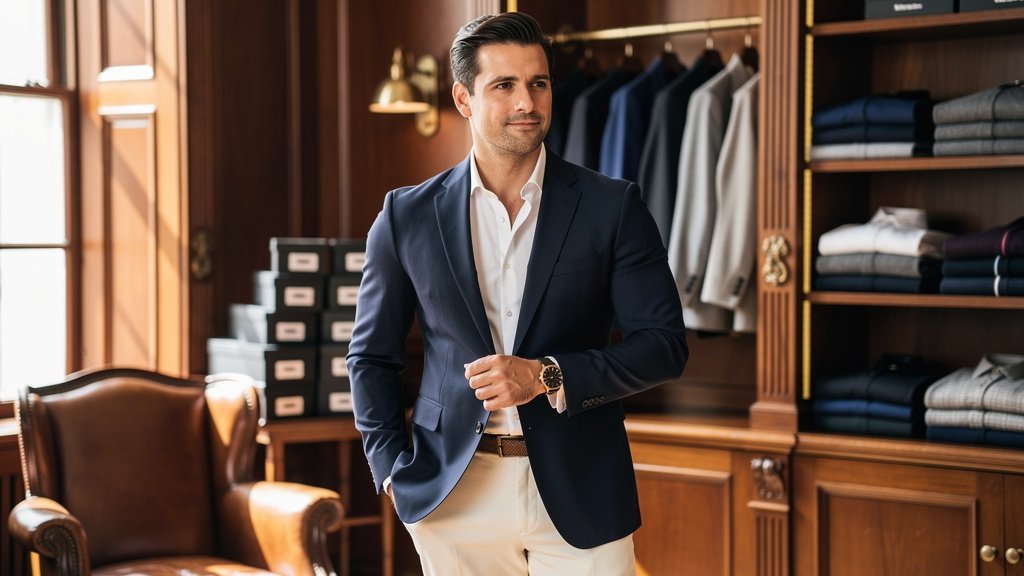
The old money aesthetic has resurfaced as one of the most influential style movements in men's fashion, driven largely by social media platforms where the look consistently racks up millions of views. But this isn't a trend born in a TikTok studio it's a style philosophy that's been refined across generations of wealth, from Ivy League campuses to country club tennis courts. The old money outfit for men represents something increasingly rare in a loud fashion world: restraint, quality, and the confidence that comes from wearing clothes that don't need to announce themselves.
This guide breaks down everything you need to build an authentic old money wardrobe from the essential pieces that form its backbone to the subtle styling rules that separate genuine refinement from costume dressing.
What Defines Old Money Style for Men
Old money style is fundamentally about one principle: buying the absolute best of something and wearing it until it falls apart, then repairing it to wear some more. That's the philosophy echoed across forums and fashion communities where enthusiasts discuss this aesthetic. Unlike fast fashion cycles that demand constant renewal, the old money approach treats clothing as a long-term investment pieces that improve with age, develop character through wear, and transcend seasonal trends.
The aesthetic emerged from American and European aristocratic families who valued discretion, quality craftsmanship, and inherited elegance. These weren't fashion choices they were identification signals. As one style publication noted, "The right pieces open doors. The wrong ones raise questions before you've said a word."
At its core, old money style prioritizes quiet luxury over loud branding. The clothes look expensive because they fit well, use superior fabrics, and avoid logos entirely. It's a look that whispers class rather than shouting for attention.
The Old Money Color Palette
The foundation of old money aesthetics lies in understated, nature-inspired hues. These colors work together harmoniously and never compete for attention. The core palette includes navy, cream, beige, charcoal, olive, white, camel, brown, light blue, and washed denim.
These aren't arbitrary choices they're colors that signal sophistication because they're difficult to wear poorly. A navy blazer with cream trousers communicates something different than bright red sneakers would, and that's precisely the point.
Classic Color Combinations That Work
The most reliable old money outfit combinations include navy with cream (the yacht club essential), charcoal with white (clean power dressing), olive with beige (country estate charm), and camel with grey (understated refinement). These pairings have endured because they work across contexts from casual weekend outings to more formal occasions.
Essential Wardrobe Pieces for Men
Building an authentic old money wardrobe requires strategic investment in key pieces. A typical old money capsule contains 20-25 core pieces covering business formal, smart casual, and weekend wear categories. Here's what belongs in every man's closet who wants to master this aesthetic:
- Navy Blazer The cornerstone piece that works with everything from Oxford shirts to polos. Choose unlined or half-lined versions for summer wear.
- Oxford Cloth Button-Down (OCBD) Shirts White and light blue are essential. Look for mother-of-pearl buttons and fine cotton.
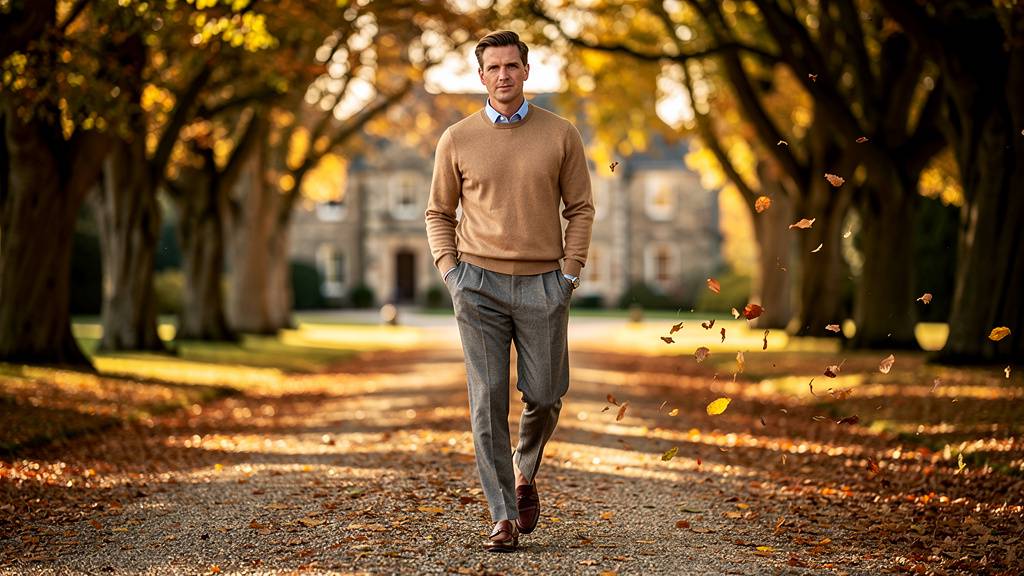
- Cashmere and Merino Sweaters Layering pieces in neutral tones that work under blazers or over collared shirts.
- Well-Tailored Chinos In white, beige, and navy. Skip the jeans for true old money refinement.
- Pleated Trousers Grey flannel for cooler months, lightweight options for summer.
- Linen Shirts For summer luxury that breathes and develops character through natural wrinkling.
- Leather Loafers Penny loafers or suede variants in brown or tan.
- Quality Leather Belt Simple, classic design with minimal hardware.
- Cable Knit Sweaters In solid neutral colors for weekend layering.
- Tweed Blazer or Jacket For fall and country occasions.
The old money wardrobe contains fewer pieces than you'd expect. Each item serves multiple purposes across years of use. A navy blazer attends board meetings, club dinners, polo matches, and Sunday brunch it earns its place ten times over.
How to Build Your Old Money Wardrobe
Building an authentic old money capsule requires a strategic approach. Here's how to do it properly:
- Audit What You Have Identify gaps in your current wardrobe against the essential pieces list. Prioritize items you'll wear most frequently.
- Invest in Tailoring Even budget-friendly clothes can look expensive when tailored to fit your body perfectly. The old money look is as much about the fit as it is about the fabric. Key elements include a well-fitted shoulder, a tapered waist, and trousers that break just above the shoe.
- Start with Neutral Foundations Build your core from the color palette before adding accent pieces. Every item should pair with multiple others.
- Choose Natural Fabrics Cashmere, merino wool, tweed, camel hair, fine cotton, and linen form the backbone of authentic old money style. Avoid synthetic materials.
- Skip the Logos True wealth whispers; it never shouts. Brand visibility works against the aesthetic.
Old Money vs. New Money: Understanding the Difference
It's worth distinguishing old money from the related but distinct "quiet luxury" trend. Old money tends to be more formal and rooted in established traditions, while quiet luxury can be slightly more casual. The key differences:
The difference between old money and new money style isn't about how much you spend it's about how you wear it. Old money style is timeless; new money often chases trends.
Brands That Define the Aesthetic
Several brands have become synonymous with old money style, though they operate at different price points:
Entry-Level Accessible: Ralph Lauren (especially the Polo line), Lacoste, and Brooks Brothers offer quality basics that capture the aesthetic without requiring bespoke prices. A cashmere sweater from these brands runs approximately $100-$200.
Mid-Premium: J.Crew, Todd Snyder, and Sunspel provide solid foundations with good fabric quality.
True Luxury: Brunello Cucinelli, Loro Piana, Kiton, and Hermès represent the apex of the aesthetic pieces designed to last generations.
"The old money aesthetic is built on quiet clothing, good fit, natural fabrics, restrained colors, clean shoes, and controlled grooming. Think linen shirts, polos, knitwear, pleated trousers, loafers, suede jackets, navy blazers, cable knits, and simple watches. The look should feel relaxed, not costume-like." OnPointFresh Style Guide
Seasonal Approaches to Old Money Style
The aesthetic adapts through the year while maintaining its core principles.
Summer Old Money: Linen button-downs in white or light pastels, rolled sleeves embraced for natural wrinkling. White or beige chinos replace heavier trousers. Unlined or half-lined blazers in lightweight wool or linen. Leather loafers, perhaps in suede for breathability. A lightweight cashmere or merino sweater for air-conditioned spaces.
Fall Layering: This is where old money style truly shines. Tweed blazers, cashmere sweaters, turtlenecks, and layered combinations create depth and texture. Rich fabrics like camel hair and fine wool add warmth while maintaining sophistication. The color palette shifts toward deeper tones while staying within the established palette.
Common Mistakes to Avoid
Several pitfalls trip up men attempting to embrace this aesthetic:
Trying Too Hard: The old money look should feel relaxed, not costume-like. If you're visibly straining to achieve the aesthetic, you've missed the point. The confidence comes from the quality, not the performance.
Ignoring Fit: Even the finest cashmere looks cheap when it doesn't fit properly. Tailoring isn't optional it's essential. A $50 shirt that fits perfectly will outperform a $500 shirt that doesn't.
Following Trends: Old money style deliberately avoids trend participation. If something feels too of-the-moment, it probably doesn't belong in an old money wardrobe.
Over-Branding: Visible logos are the antithesis of this aesthetic. Even luxury brands should remain invisible.
Choosing Quantity Over Quality: A smaller wardrobe of excellent pieces beats a closet full of mediocre items. Each piece should earn its place.
Expert Tips for Mastering the Look
Grooming matters as much as clothing. The old money aesthetic extends to controlled, maintained appearance not elaborate, but intentional. Hairstyles should be classic and well-maintained. Watches should be simple, quality timepieces with leather straps rather than flashy sports watches. Accessories remain minimal: a quality leather belt, perhaps a simple pocket square, but nothing that draws attention.
The philosophy extends beyond clothing. Old money is about buying the absolute best of something and wearing it till it falls apart, then repairing it to wear some more. This approach to consumption thoughtful, lasting, quality-focused is what truly defines the aesthetic.
FAQs
Can I achieve the old money look on a budget?
Absolutely. The old money aesthetic is less about spending enormous sums and more about thoughtful curation, fit, and restraint. Start with quality basics from accessible brands like Ralph Lauren or Brooks Brothers, then invest in tailoring. A well-fitted J.Crew shirt that costs $80 will look more expensive than a poorly fitting designer piece five times the price.
What's the difference between old money and quiet luxury?
While the terms are often used interchangeably, quiet luxury tends to be slightly more casual and is more of a modern trend. Old money style is rooted in established traditions and tends to be more formal, with deeper connections to Ivy League and country club aesthetics. Both prioritize quality and restraint, but old money carries more historical weight.
Do I need to buy expensive brands to look old money?
No. The old money aesthetic is about quality, fit, and restraint not brand names. While certain brands have become associated with the look, what matters is that your clothes are well-made, fit properly, and don't feature visible branding. A vintage blazer from a thrift store that's been professionally tailored will outperform a designer piece that doesn't fit.
Can younger men pull off old money style?
Yes, though it requires some adjustment. The aesthetic isn't age-specific, but younger men should avoid pieces that make them look like they're wearing their father's clothes. Focus on fit, keep proportions slightly trimmer, and embrace modern iterations of the classic pieces. Linen shirts, quality polos, and well-tailored chinos work well for men in their twenties and thirties.
How many pieces do I need for an old money capsule wardrobe?
A typical old money capsule wardrobe contains 20-25 core pieces covering the essentials: tailored outerwear, dress shirts, casual shirts, trousers, knits, and proper footwear. This may seem small, but each piece is designed to work with multiple others, creating numerous outfit combinations from a minimal collection.
Is the old money aesthetic only for formal occasions?
Not at all. The aesthetic spans from business formal to weekend casual. A navy blazer works over a t-shirt for smart casual occasions. Linen shirts and chinos create polished but relaxed summer looks. The key is maintaining the core principles quality, fit, restraint regardless of formality level.
Key Takeaways
- Old money style prioritizes quality over quantity, with each piece designed to last decades rather than seasons.
- The color palette stays restrained: navy, cream, beige, charcoal, olive, white, and camel form the foundation.
- Fit is non-negotiable even quality pieces need tailoring to achieve the polished old money silhouette.
- Skip the logos completely. True wealth whispers; it never shouts.
- Natural fabrics are essential: cashmere, merino wool, fine cotton, linen, and tweed.
- Build gradually start with versatile foundations and add pieces that work with what you already own.
- The aesthetic is about mindset as much as clothing: thoughtful consumption, quality over trends, and quiet confidence.