How to Stop Shoes from Blistering: A Practical Guide to Pain-Free Wear

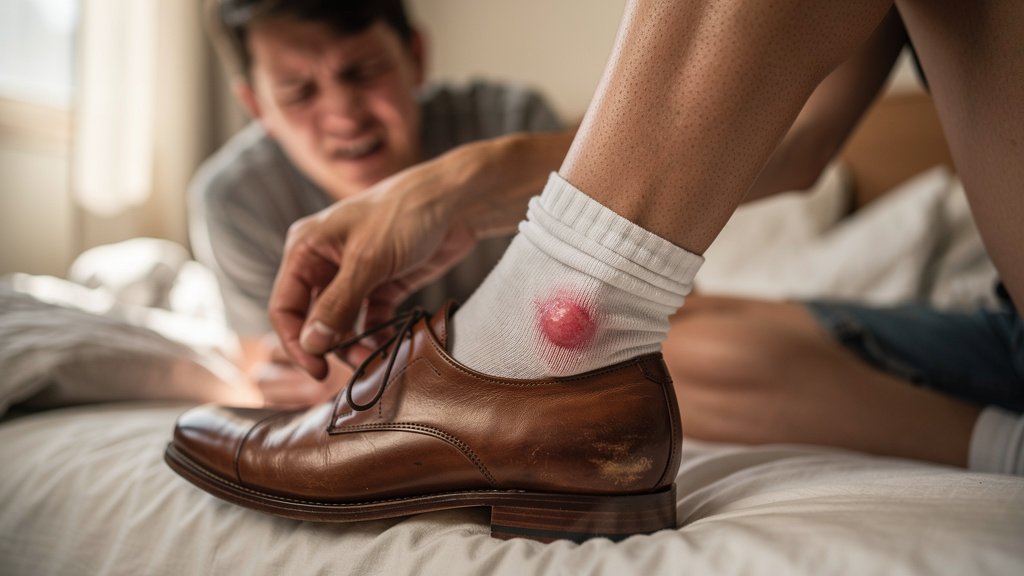
New shoes should feel exciting, not like a punishment. Yet millions of people every year end up with painful blisters after just a few wears those raw, fluid-filled pockets of skin that form where friction meets pressure. The good news: you don't have to choose between looking good and walking comfortably. Understanding exactly why blisters form is the first step toward stopping them for good.
Blisters develop when repeated rubbing separates the layers of your skin, creating a small pocket of fluid that cushions the damaged tissue beneath. According to the American Academy of Dermatology, the primary culprit is friction combined with moisture wet feet blister far more easily than dry ones. A 2024 study published in the Journal of Athletic Training confirmed that moisture-wicking and moisture-absorbing socks can significantly reduce the coefficient of friction at the skin's surface, directly translating to fewer blisters for active individuals.
Why Your Shoes Are Probably Causing the Problem
Most blister problems start before you even put the shoes on. Poor fit is the single biggest cause of blisters in new footwear, according to podiatrists at Achilles Foot and Ankle Center, who treat blister complications ranging from infected wounds in diabetic patients to gait changes caused by people compensating for tender, damaged skin.
The geometry of friction matters more than most people realize. When you walk, the bones inside your foot move relative to the ground, and this creates shear force within the layers of your skin. If your shoe is too tight, too loose, or has a stiff heel counter pressing against your Achilles tendon, that shear force concentrates on specific points usually the heels, toes, and the ball of the foot. That's where blisters appear.
Getting a proper fit check before you commit to wearing new shoes can save you weeks of pain. A podiatrist or experienced fitter can identify pressure points you'd never notice in a showroom, especially if you have high arches, wide forefeet, or a history of blistering.
The Sock Strategy That Actually Works
Your choice of socks might be the single most impactful change you can make. Cotton holds moisture against your skin, creating the perfect conditions for blisters to form. Switching to synthetic, moisture-wicking fabrics or merino wool moves sweat away from your feet and keeps the skin surface drier. Research from blister-prevention experts notes that bamboo fibers absorb approximately 60% more moisture than cotton, making them an excellent mid-range option between cheap cotton and premium technical fabrics.
Opinions on the double-sock method are genuinely divided. Some hikers swear by wearing a thin liner sock beneath a thicker outer sock, arguing that friction occurs between the two socks rather than against the skin. Research has shown that double sock systems can be somewhat more protective than a single sock, particularly when the inner layer is a smooth, low-friction material. However, adding bulk without addressing the underlying fit or moisture issues can actually make things worse two cotton socks just mean twice the wet, bunching fabric rubbing against your skin.
If you're serious about preventing blisters during extended activity, look for socks specifically designed for this purpose. The best anti-blister socks combine moisture-wicking fibers with flat or no-seam construction, eliminating rough interior surfaces that can chafe. Wrightsock and other brands engineer their products with this specific goal in mind, and the difference is noticeable for anyone who's ever finished a long hike with bleeding heels.
Breaking In New Shoes Without the Pain
You don't have to suffer through the break-in period. There are several proven approaches to soften up stiff new shoes before they destroy your feet. The key is gradual, controlled stress on the materials allowing the leather, mesh, or synthetic overlays to flex and conform to your foot shape without creating hot spots that turn into blisters.
Wearing your new shoes around the house for short periods is the simplest method. Start with 30 minutes, then an hour, then build up over several days. This allows the materials to stretch slightly while you can monitor any areas of discomfort. If you feel a hot spot developing, stop and address it before it becomes a full blister.
Applying heat can accelerate the break-in process for leather shoes specifically. A hair dryer held several inches from the interior, focused on tight areas, warms the material and makes it more pliable. Put the shoes on immediately after heating while they're still warm your foot actually stretches the leather as it cools. Just don't overdo it, and keep the heat moving to avoid damaging the materials.
Protective products like surgical tape, moleskin, or hydrocolloid blister patches applied to known hot spots before you start walking create a barrier between your skin and the shoe. These are particularly useful for the heel, where most new shoes rub hardest. Compeed and similar products use hydrocolloid technology that not only protects the skin but actually creates a moist healing environment if a blister has already formed.
Quick Fixes When You're Already in Trouble
Sometimes you can't prevent a blister until it's already forming. The moment you feel that characteristic hot, stinging sensation, that's your warning sign stop and address it immediately, because continuing to walk through the pain will reliably make the damage worse.
Dust your feet with powder before heading out. Foot powder or even plain cornstarch reduces surface moisture and cuts friction. Apply petroleum jelly to known hot spots as a temporary barrier it's not elegant, but it works. For a more refined solution, products like Blister Shield or geologically-derived foot balms create an invisible, long-lasting barrier against rubbing.
If your shoes have specific problem areas, consider having them stretched professionally. Many shoe repair shops can stretch the toe box or heel area by a quarter size or more, which can eliminate pressure points that no amount of breaking in will fix.
Whether to pop a blister comes down to size and pain level. If it's small and not causing significant pain, leave it intact the skin over the blister provides natural protection against infection. If it's large, painful, or likely to rupture on its own, sterilize a needle with rubbing alcohol and gently puncture the edge to drain the fluid, leaving the overlying skin intact as a bandage.
When you see blood or pus inside a blister, that's a sign to seek professional care. Infection is a real risk, particularly for people with diabetes or circulation issues, and a podiatrist can properly clean and treat the wound.
What Actually Works: A Summary
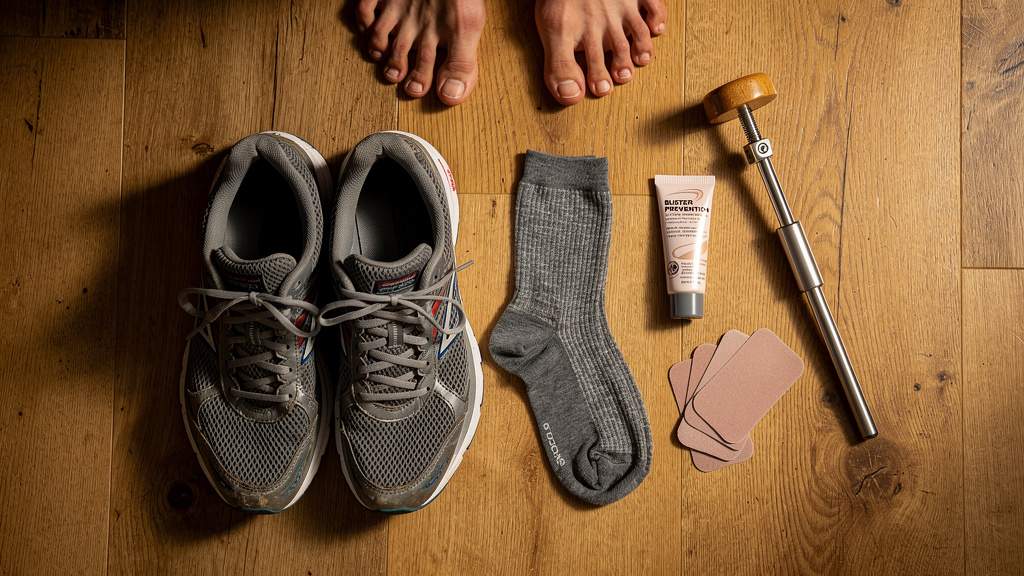
After sorting through the science and the folk remedies, here's what holds up: fit matters most, followed by moisture management, then gradual break-in, then protective barriers. Skip the gimmicks microwaving your shoes or freezing them with water inside rarely works and can damage materials permanently. The strategies that work are the ones that address root causes: friction reduction, dry feet, and enough time for shoes to conform to your particular foot shape.
A little prevention goes dramatically further than any cure. Five minutes spent applying tape before a long walk, or twenty dollars spent on proper moisture-wicking socks, can save you days of limping and weeks of tender skin. Your feet work hard for you decent gear and a few smart habits are a reasonable return on that investment.
There's surprisingly little rigorous research on which specific break-in methods work best. Most of what we know comes from podiatrist experience and athlete anecdote rather than controlled studies. What we do know is well-supported: moisture control, proper fit, and gradual wear all help. Beyond that, your best bet is to try different approaches and notice what works for your particular feet and shoes.
Blister-prone shoes don't have to stay that way. With attention to fit, moisture, and gradual wear, most people can get almost any shoe to a point where it stops tearing up their feet.