Types of Heels: A Complete Guide to Finding Your Perfect Pair


Types of Heels: A Complete Guide to Finding Your Perfect Pair
Walking into a shoe store and staring at rows of heels without knowing the terminology is a uniquely frustrating experience. You might know you want something with height, but whether you're reaching for a stiletto, a kitten heel, or a block heel makes a massive difference in how you'll feel by hour three. The global high heels market was valued at USD 46.35 billion in 2026 and is projected to reach USD 61.46 billion by 2035, registering a CAGR of 3.1% (Business Research Insights, 2026). That's a lot of women working through this exact confusion. This guide breaks down every major heel type, what makes each one distinct, and which occasions call for which style.
What Are the Main Types of Heels?
While the average shopper might name five or six varieties, there are actually over ten distinct heel types, each with unique characteristics that affect both aesthetics and comfort. The primary categories include stiletto heels, kitten heels, block heels, wedge heels, platform heels, cone heels, and spool heels. Each type gets its name from the shape or construction of the heel itself, and knowing these differences makes it far easier to build a versatile shoe wardrobe.
Heel types split into two broad camps: narrow, tapered heels like stilettos and kittens, and wider, more stable bases like blocks and wedges. That shape choice directly affects your posture, your stability, and what you can realistically wear for extended periods. A stiletto might look stunning at a cocktail party, but it's not doing you any favors during a work conference where you're on your feet for hours.
What Is the History Behind High Heels?
Here's something that surprises most people: heels were originally designed for men, not women. The earliest known example of high heels comes from ancient Iran (then known as Persia) in the 10th century CE, worn by cavalry soldiers who needed a sturdy heel to keep them stable in their stirrups while standing up to fire arrows from charging horses (Love Happens Magazine, 2021). The Persian army was renowned for their horseback archery, and the heel served a purely functional military purpose.
Heels made their way to Europe in the early 1600s, where they became a symbol of status and masculinity. King Louis XIV, who stood at only 5 feet 3 inches tall, was particularly fond of red-soled heels and wore them to add height and gravitas to his appearance (Encyclopedia.com). The association with femininity didn't take hold until the late 17th and early 18th centuries, when fashion gradually shifted and heels became predominantly women's footwear. Comedian Katy Brand noted in her BBC exploration of heel history that "the first high heels were actually a form of military footwear" a far cry from their current reputation as purely feminine fashion.
What Defines a Stiletto Heel?
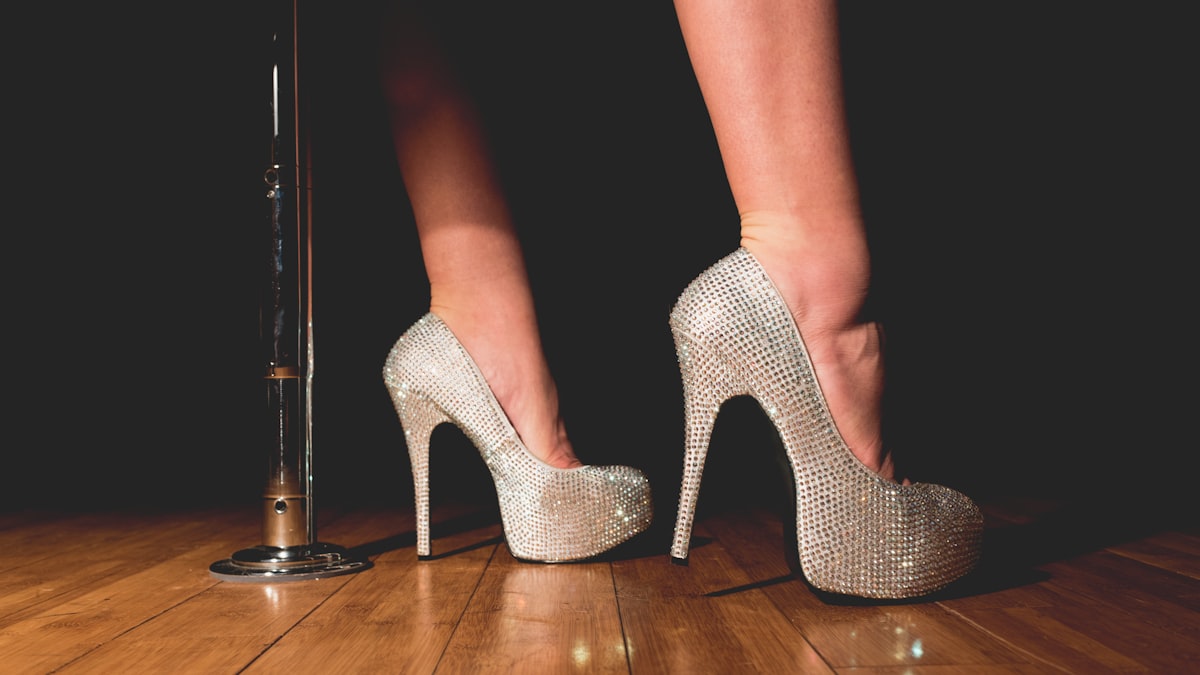
The stiletto is arguably the most iconic heel type, instantly recognizable by its thin, needle-like shape. The name literally means "dagger" in Italian, which tells you everything about the heel's sharp, pointed aesthetic. A classic stiletto measures between 3 and 4 inches in height, though variations can go higher or slightly lower. The narrow heel creates an elegant, elongated silhouette that visually stretches the leg and adds a dramatic flair to any outfit.
Stilettos are the go-to choice for formal evening events, romantic dinners, and occasions where making a bold fashion statement takes priority over comfort. They pair beautifully with cocktail dresses, evening gowns, and tailored suits. However, walking in stilettos requires practice the narrow heel concentrates your weight onto a very small surface area, which can make balance challenging on uneven pavement or slippery floors. If you're committed to wearing stilettos for an extended event, consider bringing a comfortable backup pair for the walk home.
How Do Kitten Heels Differ From Stilettos?
Kitten heels are essentially the more practical younger sibling of the stiletto. These heels typically measure between 1.5 and 2 inches (or 2.5 to 5 centimeters), making them significantly shorter than stilettos (Wikipedia, "Kitten heel"). Despite their modest height, kitten heels maintain a tapered, slender silhouette that echoes the elegance of stilettos without the extreme elevation. The term "kitten" evokes something small, delicate, and slightly playful which captures the heel's aesthetic perfectly.
These heels have experienced a significant renaissance in recent years, particularly in professional settings where all-day wearability matters. Kitten heels offer what I think of as "quiet elegance" they're polished and sophisticated without announcing themselves quite as loudly as a four-inch stiletto. They're ideal for office wear, brunch dates, weddings where you'll be on your feet frequently, and any situation where you want height without the commitment of towering platforms. The lower center of gravity makes kitten heels substantially easier to walk in, and many women find they can wear them for entire workdays without the foot fatigue that stilettos often cause.
What Makes Block Heels So Popular?
Block heels are widely regarded as the most comfortable heeled option available. Unlike the narrow stiletto or kitten, a block heel features a wide, chunky base that distributes your weight across a larger surface area. This construction provides significantly more stability and support, making block heels the preferred choice for women who want height without the wobble factor. They typically range from 1 to 4 inches in height, offering plenty of options for different comfort levels.
The chunky silhouette of block heels has also become a major fashion asset in recent years. They pair exceptionally well with the chunky sneaker trend and can ground more feminine outfits with a cool, balanced aesthetic. Block heels work beautifully with wide-leg trousers, midi skirts, and casual dresses. They're practical enough for walking tours, office commutes, and outdoor events, yet stylish enough to wear to dinner afterward. If you're new to heels or have a particularly active lifestyle, block heels are often the smartest starting point you get the visual lengthening of your legs without sacrificing your balance.
How Do Wedge Heels and Platform Heels Compare?
Wedge heels and platform heels both offer more surface area than traditional heels, but they achieve stability in different ways. A wedge heel is a solid piece of material (traditionally cork or espadrille, now often synthetic) that runs from the back of the shoe all the way through to the arch, creating a triangular shape. This continuous base provides excellent stability and even distributes weight across the entire foot rather than concentrating it on the heel. Wedges can range from 1 inch to several inches and are particularly popular in summer sandals and espadrilles.
Platform heels, meanwhile, feature a thick sole under the entire foot, raising both the heel and the toe at the same time. This creates the illusion of extreme height while actually making the shoe more walkable than it appears because the toe box is elevated, the angle your foot needs to bend is less extreme. Platforms have been having a major moment in fashion, with designers like Miu Miu creating sculptural platforms that double as statement pieces (L'Officiel USA, 2024). Both wedges and platforms are excellent choices for outdoor events, garden parties, and situations where you'll be walking on grass or uneven surfaces.
Heel Height Comparison Guide
Which Heel Type Should You Choose?
Choosing the right heel ultimately comes down to three factors: the occasion, the duration you'll be wearing them, and your personal comfort threshold. For black-tie events, stilettos remain the standard for maximum elegance. For professional settings, kitten heels and low block heels offer the best balance of polish and practicality. For casual weekends or outdoor activities, wedges and platforms provide height without the instability.
One thing I notice in my own wardrobe rotations: the "right" heel often depends on the season. Summer calls for wedges and espadrilles, while fall and winter open the door for taller, more dramatic styles that pair well with boots and heavier fabrics. Building a collection that covers multiple heel types ensures you're never reaching for the wrong shoe for the wrong occasion. I couldn't tell you exactly how many pairs the average woman owns, but I'd estimate most style-conscious women have at least three or four distinct heel types in their rotation.
Heel Types at a Glance
- Stiletto heels (3-4 inches) are the most formal and dramatic, best reserved for evening events and special occasions where you'll be seated more than standing.
- Kitten heels (1.5-2 inches) offer elegant height with substantially better walkability, making them ideal for office wear and all-day events.
- Block heels provide maximum stability through their wide, chunky base the smartest choice if you're new to heels or need to walk significant distances.
- Wedge heels distribute weight evenly across the foot and work exceptionally well for outdoor occasions and summer styling.
- Platform heels create the illusion of extreme height while actually being more comfortable to walk in than traditional high heels.
- The global high heels market continues to grow, reflecting enduring consumer demand despite the rise of comfortable footwear trends.