Business Casual Outfits for Women in Summer: How to Stay Cool Without Sacrificing Polish

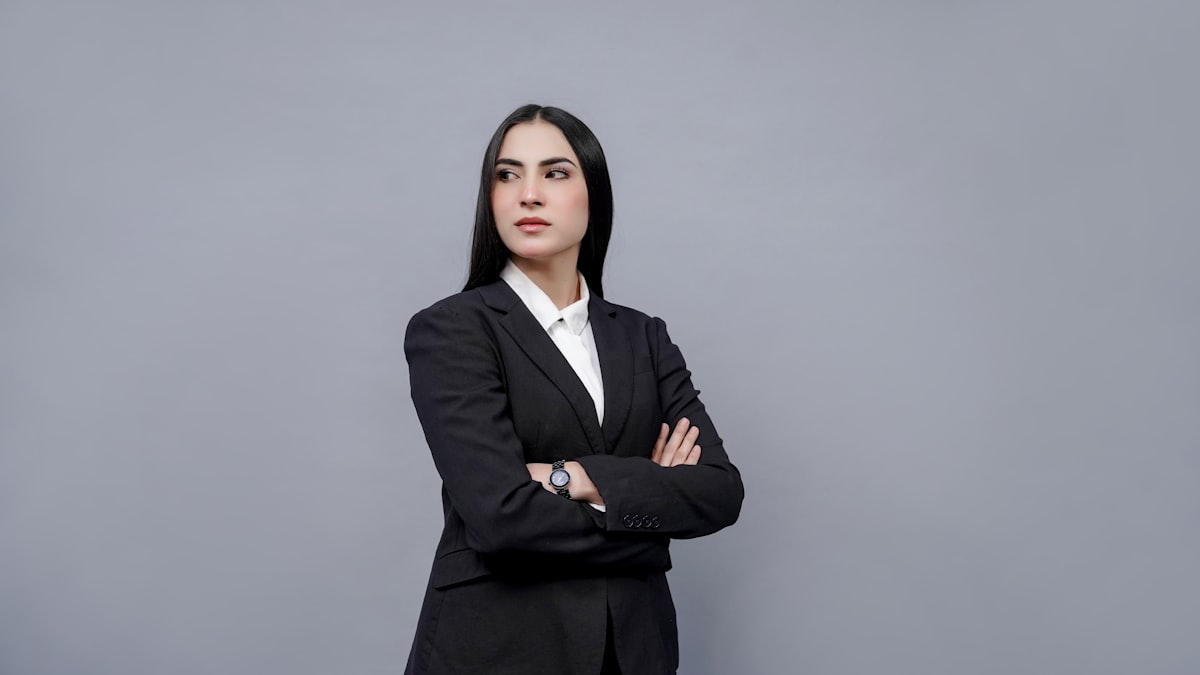
The office thermostat is set to arctic, but your commute involves standing on a subway platform in 87-degree humidity. Your blazer is wilting. Your silk blouse has developed suspicious underarm shadows. And somewhere between the elevator and your desk, you've started questioning every wardrobe decision you've made since April.
Building a wardrobe of business casual outfits for women during summer months requires rethinking almost everything that works the rest of the year, because the same structured wool trousers and fitted blazers that project competence in October become instruments of torture by June. According to a 2023 Gallup survey, 41% of American workers wear business casual to the office, which means millions of women are navigating this exact problem right now: how to look professional when the weather is actively working against you.
The answer isn't abandoning polish for comfort or suffering through sweat stains in the name of professionalism. It's understanding which fabrics, silhouettes, and styling strategies actually work when temperatures climb and which "summer" pieces belong nowhere near a conference room.
Why Summer Business Casual Demands Different Rules
The fundamental challenge of warm-weather workwear is that heat and humidity undermine the very qualities that make clothing look professional. Crisp lines go limp. Structured shoulders deflate. Fabrics that drape beautifully in air conditioning cling unattractively the moment you step outside. A study published in the Journal of Business Ethics found that casual attire is consistently perceived as less ethical and less competent than business casual or formal dress which means the stakes for getting this right aren't purely aesthetic.
Yet the definition of "business casual" has become so elastic that the term barely means anything specific anymore. According to a Creative Access survey, 82% of workers said they would benefit from a clear dress code, but 43% reported that their workplace doesn't provide one. This ambiguity gets worse in summer, when the line between "appropriately relaxed" and "underdressed" blurs further. I've seen women show up to client meetings in what amounts to beach cover-ups, genuinely believing they'd nailed the brief.
The solution, according to Harper's Bazaar's fashion editors, is to "combine breathable fabrics with at least one structured piece." That single principle breathability plus structure is the framework that makes summer business casual work. A linen blazer over a cotton tank. Tailored wide-leg trousers with a sleeveless shell. The structured element signals intentionality; the breathable fabric keeps you from melting.
Fabrics That Actually Perform in Heat
Linen is the obvious answer, and it's obvious for a reason. The fiber's natural hollow structure allows air to circulate against your skin, and it absorbs moisture without feeling damp. Sumissura's style guide notes that "linen blazers are light, airy, and give off a relaxed yet professional vibe," which captures exactly why the fabric works for offices: it reads as elevated casual rather than trying-too-hard formal.
The wrinkle issue is real but overstated. Yes, linen creases. That's part of its character, and most workplaces have made peace with it. What matters more is the weight and weave a tightly woven, mid-weight linen holds its shape better than the gauzy, beach-adjacent versions. Look for linen-blend pieces if you want slightly more structure; a linen-cotton or linen-viscose mix often gives you the breathability without quite as much rumpling. I've found that hanging linen pieces in the bathroom while you shower does about 80% of the work a steamer would, which is worth knowing if your morning routine doesn't include time for garment care.
Cotton poplin deserves more attention than it gets. The fabric has a subtle sheen and crispness that photographs well and holds up through long days. Harper's Bazaar specifically recommends cotton poplin dresses as summer workwear staples because they maintain structure without trapping heat. Chambray essentially a lighter-weight denim weave works similarly and reads as polished enough for most business casual environments.
What to avoid: polyester blends marketed as "wrinkle-free" or "easy care." These fabrics trap heat against your body and amplify odor. The convenience isn't worth it when you're visibly sweating by 10 a.m. Silk is beautiful but high-maintenance in summer it shows every perspiration mark and requires dry cleaning after minimal wear. Save it for climate-controlled days when you're not commuting.
The Pieces That Anchor a Summer Work Wardrobe
A capsule approach works particularly well for summer business casual because the season's constraints actually simplify decision-making. You need fewer pieces, but they need to work harder. Here's what actually earns closet space:
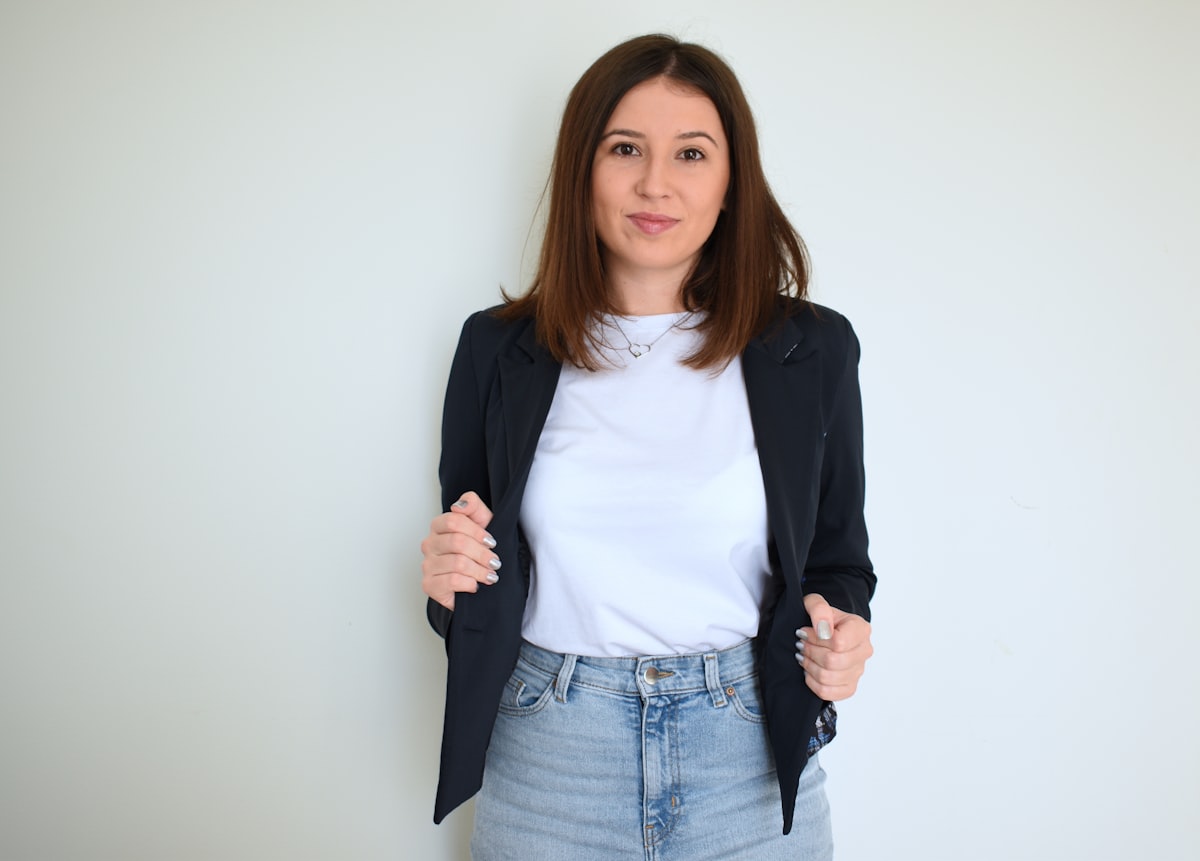
- One unlined blazer in a neutral tone linen, cotton, or a breathable blend. This single piece transforms any outfit from "going to brunch" to "going to a meeting." Beige, oatmeal, or light gray works with nearly everything; black absorbs too much heat for outdoor commutes.
- Two to three pairs of wide-leg or straight-leg trousers in lightweight fabric. The silhouette allows airflow while looking more intentional than slim cuts, which can read as too casual in summer fabrics.
- Several sleeveless shells and blouses that work under the blazer or alone. The HerVerse community's 2025 business casual guide specifically calls out "elevated t-shirts" and "structured sweaters" as acceptable but in summer, sleeveless shells in ponte or substantial cotton do the same job without the heat.
- One or two midi dresses that function as complete outfits. Shift dresses, wrap dresses, and A-line silhouettes all work. The midi length is key: it's universally office-appropriate and doesn't require the same careful sitting that shorter hemlines demand.
- A lightweight cardigan or duster for aggressively air-conditioned offices. The temperature differential between outside and inside can be 20+ degrees; layering isn't optional.
Silhouettes and Styling That Read as Professional
The shift toward relaxed tailoring has been one of the more useful fashion developments for summer workwear. Wide-leg trousers, oversized blazers, and column dresses all allow air to circulate while maintaining a polished silhouette. The key is ensuring the relaxed fit looks intentional rather than sloppy which usually comes down to fabric quality and one or two fitted elements.
A completely oversized outfit reads as borrowed or ill-fitting. But wide-leg trousers with a tucked-in fitted shell, or an oversized blazer over a slim midi skirt, creates deliberate contrast. The fitted element anchors the look; the relaxed element keeps you comfortable.
Midi skirts have become the summer workhorse for good reason. They're long enough to sit comfortably without tugging, short enough to allow movement, and they work with flat sandals, kitten heels, or loafers depending on your office's formality level. A-line or straight cuts in cotton, linen, or ponte knit all function well. Avoid anything too clingy or too voluminous the former shows every line, the latter can read as costume-y.
Color strategy matters more in summer because light colors reflect heat and dark colors absorb it. This doesn't mean abandoning your black trousers, but it does mean being strategic about when you wear them. A white or cream blazer over a black shell gives you the slimming effect of dark clothing with the heat-reflecting benefit of light outerwear. Navy, olive, and soft pastels all work as neutrals that don't show sweat marks as readily as gray or light blue.
The Commute Problem (And How to Solve It)
Most advice about summer workwear ignores the reality that you have to get to the office before you can look polished in it. A 15-minute walk from the parking garage or a subway ride without air conditioning can undo an hour of careful dressing.
The most practical solution is dressing in layers you can remove during transit and reassemble at your desk. Carry the blazer instead of wearing it. Keep a pair of work shoes at the office and commute in breathable sneakers or sandals. Some women swear by bringing a fresh top in their bag and changing when they arrive which sounds high-maintenance until you've shown up to a morning meeting with visible sweat stains.
Fabric choice helps here too. Linen and cotton recover from being stuffed in a bag better than most synthetics. A lightly wrinkled linen blazer looks appropriately relaxed; a wrinkled polyester blend looks like you slept in it. If your commute involves significant walking, choose pieces that can handle being slightly crushed without looking destroyed.
I couldn't find reliable data on how many professional women actually change clothes at the office versus styling around the commute, which seems like a gap in the workwear conversation. Anecdotally, the practice is common enough that some offices have added changing areas or private spaces for this purpose, but it's rarely discussed openly possibly because admitting you can't show up looking perfect feels like admitting defeat.
What "Business Casual" Actually Means Now
The phrase has become almost meaninglessly broad. According to the Society for Human Resource Management, formal dress codes dropped from 53% of workplaces in 2002 to 38% more recently, with most of that shift absorbed by the "business casual" category. But what counts as business casual at a tech startup looks nothing like business casual at a law firm, and summer only amplifies these differences.
The safest approach is observing what the most senior women in your workplace wear and calibrating from there. If the VP of marketing shows up in linen trousers and a silk tank, that's your ceiling. If she's in structured dresses and closed-toe shoes year-round, the dress code is more conservative than the label suggests. When in doubt, err slightly more formal than you think necessary it's easier to remove a blazer than to explain why you're underdressed for an unexpected client meeting.
The LinkedIn guide from HerVerse makes a useful distinction: "Business casual is no longer just slacks and a button-down. It's about versatility, comfort, and intentional style." The word "intentional" is doing heavy lifting there. Summer business casual that works is clothing you chose deliberately, not clothing you grabbed because everything else was in the laundry. The difference is usually visible.
Accessories and Details That Elevate Summer Looks
Jewelry tends to feel heavier and more uncomfortable in heat, which is why summer is a good time to simplify. One statement piece a structured watch, architectural earrings, a quality leather belt often does more than layered necklaces or stacked bracelets that stick to sweaty skin.
Bags matter more than usual because you're likely carrying more: the cardigan for over-air-conditioned offices, the commute shoes you changed out of, possibly a change of clothes. A structured tote in leather or raffia reads as professional while accommodating the extra cargo. Avoid anything too beachy straw market bags and canvas totes with vacation slogans don't belong in client meetings regardless of the temperature.
Shoes are where summer business casual gets genuinely contentious. Open-toed shoes are acceptable in most business casual environments, but the specific style matters enormously. A leather mule or strappy sandal with a low heel reads as professional; flip-flops or gladiator sandals do not, even expensive ones. Loafers and ballet flats remain safe choices that don't require the foot maintenance that open-toed options demand. If your office skews conservative, closed-toe shoes in breathable materials (perforated leather, canvas) let you stay cooler without testing boundaries.
Building Outfits That Actually Work
Theory is useful, but specific combinations are more useful. What actually works in a business casual summer environment comes down to a few reliable pairings worth knowing:
For a Monday meeting: Wide-leg linen trousers in oatmeal, a fitted white sleeveless shell, an unlined cotton blazer in a complementary neutral. Leather loafers or low-heeled mules. The blazer comes off after the meeting; the shell and trousers carry you through the rest of the day.
For a presentation: A cotton poplin midi dress in navy or olive, structured enough to stand alone but simple enough to layer a cardigan over in the conference room. Block-heeled sandals if your office allows open toes; pointed-toe flats if it doesn't.
For a casual Friday: Dark wash or black straight-leg jeans (if your office permits denim), a linen button-down in white or chambray blue, sleeves rolled. A leather belt and structured bag keep it from reading as weekend wear.
For client-facing days: A sleeveless sheath dress in a solid color, a lightweight blazer that matches or complements, closed-toe pumps or loafers. This is the summer version of a suit the pieces coordinate intentionally, projecting the same put-together message without the weight.
When the Dress Code Feels Impossible
Some workplaces maintain formal expectations regardless of season, and if you're in one of them, summer becomes an exercise in creative problem-solving. Fully lined blazers and structured wool trousers don't become comfortable just because HR insists on them.
The best workarounds involve finding formal-looking pieces in breathable fabrics. Unlined blazers exist in wool-blend fabrics that read as traditional suiting. Tropical-weight wool trousers are significantly lighter than their winter counterparts. Some brands now make "summer suits" specifically designed for warm weather the construction looks formal, but the materials allow airflow.
If your workplace genuinely requires formal business attire in summer, the commute-and-change strategy becomes essential rather than optional. Arrive in something comfortable, change into your formal clothes in the restroom, and accept that this is the cost of working in an environment with outdated dress expectations. Alternatively, this might be the push you need to advocate for a seasonal dress code adjustment 82% of workers want clearer guidance, which suggests leadership might be more receptive to the conversation than you'd expect.
Summer business casual for women isn't about finding magic fabrics or perfect pieces that somehow eliminate the discomfort of dressing professionally in heat. It's about making strategic choices breathable materials, intentional silhouettes, smart layering that minimize the gap between looking polished and feeling human. The goal isn't perfection; it's showing up to work without spending the day distracted by your own discomfort, which frees you to focus on the work itself.