What to Wear to the Opera: Your Complete Style Guide

What to Wear to the Opera: Your Complete Style Guide
The question of what to wear to the opera has haunted first-timers for generations. You picture crystal chandeliers, velvet seats, and audiences dressed to the nines and then you glance at your closet and wonder if jeans will get you thrown out. Here's the good news: the answer is far more relaxed than Hollywood would have you believe.
Major opera houses across North America from Dallas to Los Angeles to Chicago have explicitly moved away from formal dress codes. The old rulebook has been thrown out, and in its place is a simple mandate: wear what makes you comfortable. But comfort doesn't mean throwing caution to the wind entirely, and understanding the nuances of timing, venue, and occasion will help you dress in a way that honors both yourself and the art you're about to experience.
Understanding Opera Dress Codes Today
The opera's reputation for formality stems from a rich history where attending a performance was a major social event requiring evening attire. Women wore long cocktail dresses or elegant ball gowns with statement jewelry, while men appeared in tailored suits or even top hats and tuxedos. This tradition shaped the long-held belief that the opera demanded black-tie dress.
That era has faded. Today's opera houses welcome a broad spectrum of dress, and the consensus among major institutions is remarkably uniform: there is no compulsory dress code. The Dallas Opera states directly that audiences tend to wear business attire, with more casual options appearing on Wednesday nights and Sunday afternoons, while opening nights and weekend evenings draw more formal looks.
"Gone are the days when a black-tie dress code was the standard. We promise we'll be happy to see you, regardless of what you're wearing!" Cincinnati Opera
This shift reflects a broader movement in performing arts to make opera accessible to everyone. The emphasis has moved from performing dress to enjoying the performance a welcome change for anyone who has ever stress-shopped for a tuxedo the week of a show.
Opera Attire by Type of Performance
While there's no strict rule, the time and type of performance significantly influence what's appropriate. Here's how to dress based on when you're attending:
Matinee Performances
Daytime shows, particularly weekend matinees, lean toward the casual side. Think smart casual: nice trousers or dressy jeans paired with a button-up blouse or polished knit top. Women can opt for a sophisticated midi dress or elegant separates, while men might choose dress pants with a blazer no tie required. These performances attract families and casual opera-goers, so you'll fit right in without overdressing.
Weekday Evening Performances
A standard Tuesday or Wednesday evening performance calls for business casual at most. This means polished separates: a tailored dress, a nice blouse with dress pants or a skirt, or a blazer ensemble. Men can wear dress trousers with a button-down shirt, optionally adding a sport coat. The key is looking put-together without appearing as though you're heading to a gala.
Opening Nights and Special Events
This is your chance to go all out. Opening nights and gala performances are the dressiest occasions, drawing the most formal attire in the audience. Women often wear cocktail dresses, elegant evening gowns, or dramatic statement pieces. Men typically opt for dark suits or tuxedos. These events carry an elevated social atmosphere where dressing up is part of the experience and the audience often treats the intermission as a runway.
Premier Opera Houses: Metropolitan Opera and Beyond
The world's most prestigious houses, particularly the Metropolitan Opera in New York, tend to maintain slightly higher dress standards especially for opening nights and premieres. While still not mandatory, you'll see more formal attire in the audience. However, even the Met has embraced a more relaxed approach in recent years. The rule remains the same: you won't be turned away for being underdressed, but paying attention to the occasion shows respect for the tradition.
What to Wear: Women
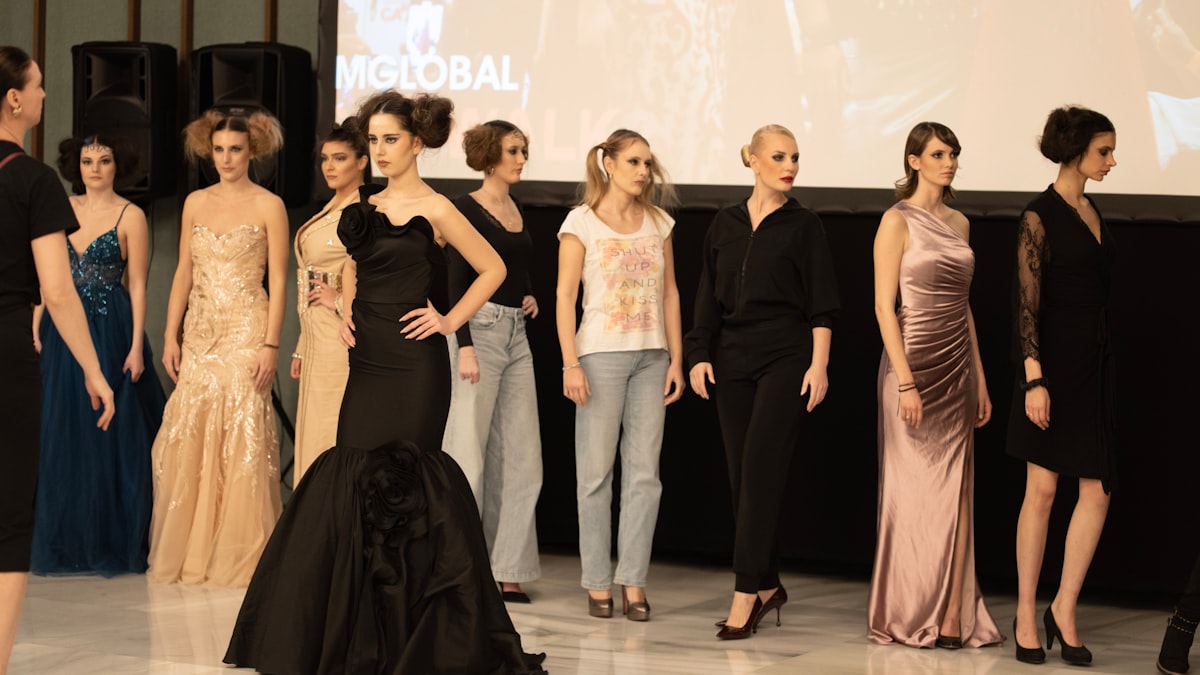
For women, the opera offers a wonderful excuse to dress up or to express personal style in creative ways. The spectrum of appropriate options is remarkably wide.
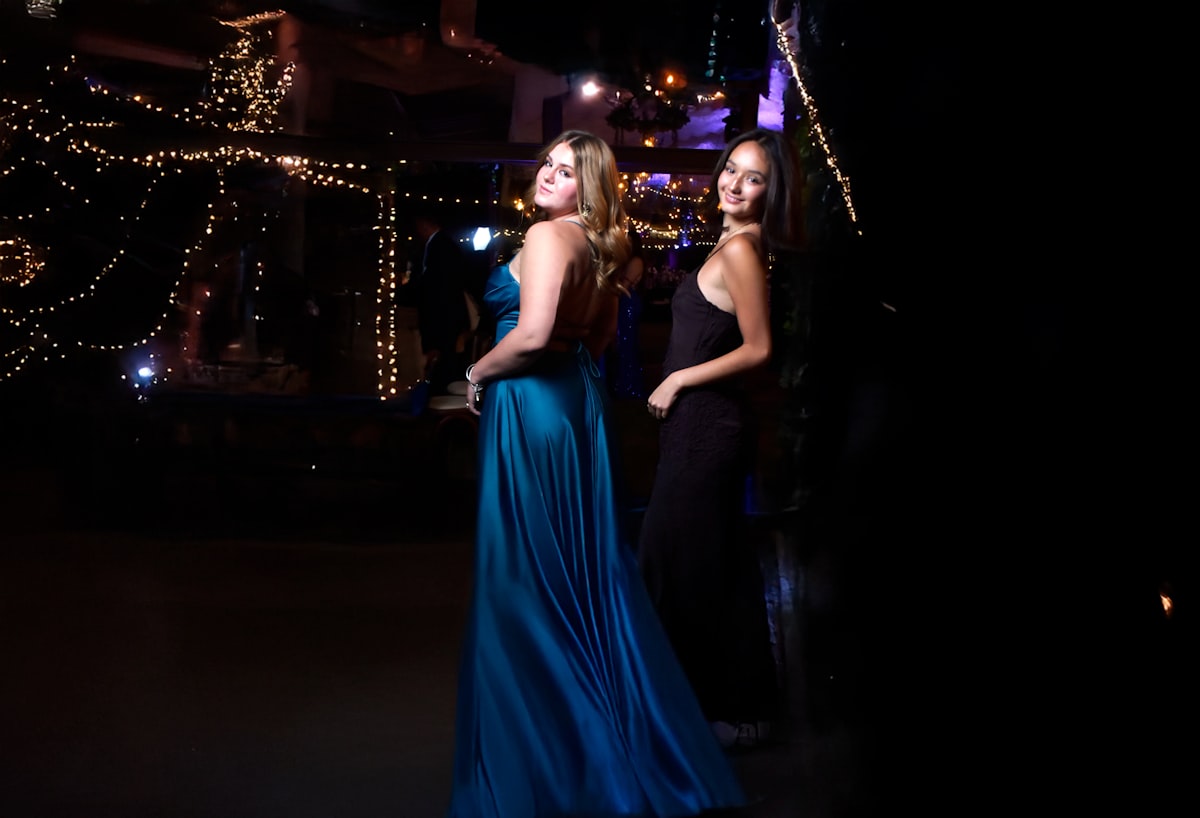
- Floor-length gowns work beautifully for opening nights or if you simply love dramatic evening wear. Rich fabrics like silk, satin, or velvet in jewel tones (emerald, sapphire, ruby) add sophistication.
- Cocktail dresses hit the sweet spot for most evening performances elegant but not over-the-top. A little black dress styled with statement jewelry works perfectly.
- Midi dresses offer a modern alternative that's polished yet comfortable for longer performances.
- Tailored separates a structured blazer with dress pants or a silk blouse with a pencil skirt create a refined, contemporary look.
- Jewelry and accessories can elevate any outfit. Opera bags (small clutches) are practical for holding essentials during the show, while earrings, necklaces, or scarves add personality.
One practical consideration: theaters are famously cold. Bringing an extra layer a elegant pashmina, a structured cardigan, or a tailored jacket ensures comfort throughout a performance that can run three hours or more.
What to Wear: Men
Men have slightly fewer variables to contend with, but the same principle applies: match your outfit to the occasion's formality.
- Dark suits in black, navy, or charcoal remain the gold standard for evening performances. Pair with a crisp dress shirt and tie for formal shows; skip the tie for business casual.
- Tuxedos are appropriate for opening nights, galas, or white-tie events but never mandatory.
- Sport coats and dress trousers offer a polished but relaxed alternative for weekday performances.
- Footwear matters: polished leather shoes or sleek dress boots complete the look. Avoid sneakers or overly casual shoes.
- Accessories like a pocket square or quality watch add refined finishing touches without being overwrought.
The key for men is tailoring. A well-fitted suit in a classic color communicates elegance regardless of the specific style choices. As one style guide notes, classic colors such as black, navy, and dark grey exude sophistication and remain the most appropriate choices for men's opera attire.
How to Choose Your Opera Outfit
Selecting what to wear to the opera involves more than just picking something from your closet. Consider these factors before deciding:
- Check the venue's vibe. Some opera houses, particularly in European cities like Vienna, maintain slightly more formal traditions. Research the specific house or look at recent audience photos.
- Consider the production. A contemporary opera might warrant a more modern outfit, while a classic work like La Traviata invites traditional elegance.
- Plan for the weather. If you're walking to the theater or arriving early for pre-show drinks, account for the conditions outside.
- Think about comfort. You'll be seated for 2-4 hours. Choose fabrics that breathe and fits that allow sitting.
- Dress for the experience. Opera is as much about the social ritual as the music. If you love getting dressed up, this is your moment. If you prefer comfort, that's equally valid.
Common Mistakes and Misconceptions
Despite the relaxed codes, some assumptions continue to cause unnecessary anxiety:
Myth: You must wear black tie. This was true decades ago. Today, most opera houses explicitly state black tie is unnecessary. You'll see it at opening nights, but you'll also see plenty of people in business casual.
Myth: You can't overdress. While opera is forgiving, there is technically a ceiling. Wearing a ball gown to a Tuesday matinee might draw more attention than intended not for being inappropriate, but for being noticeably over-dressed. That said, most audiences won't bat an eye.
Myth: Jeans are never acceptable. This depends entirely on the context. A nice pair of dark jeans with a blazer can work for a casual matinee, particularly at more relaxed American houses. However, denim at an opening night would be a misstep.
Ignoring the venue culture. Some houses, particularly in Europe, maintain more formal traditions. A quick search for the specific opera house's recent audience photos can save you from standing out unintentionally.
Opera Outfit Comparison
FAQs
Can I wear jeans to the opera?
Yes, depending on the performance. For matinees or weekday shows at more casual-leaning houses, dark jeans with a polished top or blazer can work. For opening nights or weekend evening performances, jeans would be underdressed. When in doubt, opt for something more formal you'll never be turned away for being too dressed up.
Do I need to wear a dress or can I wear pants?
Pants are entirely appropriate for women. Tailored wide-leg trousers, elegant palazzo pants, or structured dress pants paired with a silk blouse and blazer create a sophisticated look. The opera welcomes diverse style expressions, and separates can be just as elegant as a gown.
What shoes should I wear to the opera?
For women, elegant heels, polished flats, or dressy boots work well. Consider that you'll be walking on potentially uneven historic theater floors and climbing stairs to your seat. For men, leather dress shoes or sleek boots complete a refined look. Avoid sneakers, casual sandals, or worn footwear.
Is it okay to wear black?
Absolutely. Black is timeless, elegant, and universally appropriate for the opera. A little black dress for women or a dark suit for men is a fail-safe choice that works for virtually any performance level. That said, don't feel restricted to black jewel tones, rich neutrals, and even subtle patterns add personality.
What about outerwear?
Bring a coat or jacket, but plan to check it. Most theaters offer coat check. Since theaters are cold, a stylish layer you can remove and check is practical think a structured coat, a classic trench, or an elegant wrap.
Should I dress differently for the Met versus a regional opera house?
Generally, yes. The Metropolitan Opera in New York and other major houses tend to draw more formal audiences, particularly for special events. Regional houses and smaller venues often embrace a more relaxed atmosphere. However, the trend toward casual dress is universal, and no major house enforces a strict code.
Can I wear statement jewelry?
Yes and the opera is one of the best occasions for it. Bold earrings, dramatic necklaces, or sparkle accents complement evening wear beautifully. Just ensure your jewelry doesn't create noise during quiet moments of the performance.
Key Takeaways
- Major opera houses have no strict dress codes wear what makes you comfortable.
- Match your outfit to the performance: matinees are casual, weekday evenings are business casual, opening nights are formal.
- Women can wear everything from cocktail dresses to tailored pants; men can choose from dark suits to tuxedos depending on occasion.
- Theaters are cold bring an extra layer like a pashmina or blazer.
- You cannot overdress for the opera, but you can slightly misalign by overdressing for a casual show.
- When uncertain, err toward more formal you'll never be turned away for being dressed up.
- European opera houses often maintain slightly more formal traditions than American ones.