Brands That Are Not Fast Fashion: A Practical Guide to Shopping Better

Brands That Are Not Fast Fashion: A Practical Guide to Shopping Better
You've probably heard the numbers by now. Fast fashion is responsible for roughly 10% of global carbon emissions, making it one of the world's largest industrial polluters. The industry has grown to a staggering $150.82 billion and continues expanding estimates suggest it could reach $291.1 billion by 2032. Here's the uncomfortable part: despite 94% of consumers saying they support sustainable clothing, 62% still bought fast fashion in the last month.
That's not a judgment. It's a recognition that when you're looking for a decent t-shirt under $20, the alternatives can feel invisible or impossibly expensive. But here's what the fashion industry doesn't want you to know: there are hundreds of brands doing things differently, and many of them price competitively with the likes of H&M and Zara.
What Actually Makes a Brand "Not Fast Fashion"
The difference isn't just marketing. Fast fashion operates on a specific business model mass-produce huge volumes of clothing, drop prices as low as possible, cycle through trends every few weeks, and hope customers buy more because nothing lasts.
Brands that aren't fast fashion flip that equation. They tend to release fewer collections per year, use higher-quality materials (think organic cotton, Tencel, recycled fabrics), and actually know not just claim to know who makes their clothes. Transparency is the hallmark. When Everlane publishes its factory locations and breaks down exactly what each garment costs to produce, that's not performative; it's the baseline expectation for non-fast fashion brands.
Here's a useful test: check how often a brand drops new styles. If you're seeing dozens of new pieces every week, that's fast fashion behavior. Brands releasing two to four collections annually, with pieces designed to last years rather than seasons, are operating in the slow fashion space.
Brands That Actually Deliver: Six Names Worth Knowing
There is no shortage of options once you start looking. These six brands represent different points on the price-quality spectrum, but they all share one thing: they're not playing the fast fashion game.
Pact is probably the most accessible entry point. This brand builds its entire identity around organic cotton, fair trade certification, and carbon neutrality and manages to keep prices in the same ballpark as mass-market basics. A three-pack of organic cotton tees runs around $30. That's not charity pricing, but it's not a luxury markup either. Pact proves you can dress well without dressing expensively, and their GOTS-certified organic cotton is the real thing, not a greenwashed approximation.
Everlane made "radical transparency" a retail buzzword, but they backs it up with actual data. Every product page shows exactly what it costs to make materials, labor, transport alongside the price you pay. Their quality-to-price ratio is genuinely competitive. You're not paying a premium for ethics; you're paying roughly what you'd pay elsewhere, but knowing where your money goes. The brand focuses on wardrobe essentials that don't go out of style, which is the simplest way to fight the churn.
Reformation targets a different audience women looking for fashion-forward pieces that don't wreck the planet. They've been carbon-neutral since 2021, use deadstock fabric to reduce waste, and publish environmental impact scores for each item. Yes, their prices run higher than Pact or Everlane, but the style quality is there. A Reformation dress might cost $120 to $200, while a comparable fast fashion dress runs $30. The math shifts when you consider the Reformation piece lasts five years instead of five months.
Patagonia has been the outlier's choice for decades, and for good reason. The outdoor brand famously tells customers not to buy their jackets if they don't need them a radical concept in an industry built on overconsumption. Their repair program, recycled materials initiative, and activist-focused business model make them the gold standard for brands that treat environmental responsibility as operational, not promotional. Prices reflect that commitment, but the longevity is real. A Patagonia fleece outlasts several fast fashion wardrobes.
United by Blue takes an unusual approach: for every product sold, they remove one pound of trash from oceans and waterways. Their slow fashion timeline means they don't overproduce, and their materials organic cotton, recycled fabrics are chosen for durability. The brand occupies a middle ground between affordability and ethics, making it accessible to shoppers who want to do better without spending luxury money.
ASKET is the minimalist's choice. This Swedish brand offers precisely what the name suggests a carefully curated collection of basics designed to form a complete wardrobe without seasonal updates. They publish full supply chain transparency, from fabric origin to factory conditions. Their pricing is transparent too, showing exactly how costs break down. If you're building a capsule wardrobe and never want to think about trends again, ASKET is built for exactly that.
Why the Price Difference Isn't What You Think
Here's where the conversation gets interesting. A fast fashion t-shirt might cost $7. An Everlane t-shirt might cost $25. On the surface, that's a 3x markup. But the fast fashion shirt was made by someone earning a fraction of a living wage, using materials that will shed microplastics with every wash, and designed to lose shape after thirty wears. The Everlane shirt was made by someone earning fair wages, using better materials, and cut to last years.
Per-wear math changes everything. Wear the fast fashion shirt fifteen times and you've spent roughly fifty cents per wear. Wear the Everlane shirt a hundred times and you've spent twenty-five cents per wear and the person who made it earned a living wage.
The sustainable fashion market was valued at USD 11.36 billion in 2025, and it's projected to grow at double-digit rates through the decade. That's not a niche anymore; it's a fundamental shift in how people think about getting dressed. The Fashion Revolution's latest transparency index found that the average brand score is just 14% for disclosing credible climate plans, which tells you how far most of the industry still has to go but it also highlights which brands are actually leading.
How to Spot the Difference When You're Shopping
You don't need a degree in supply chain management to shop smarter. A few quick checks help:
Look at the product page details. If a garment just says "imported" with no country of origin, that's a red flag. Brands with nothing to hide will tell you exactly where their factories are often down to the city.
Check how often new styles appear. Non-fast fashion brands typically release seasonal collections, not weekly drops. If the "new arrivals" page refreshes every few days, you're looking at a fast fashion operation.
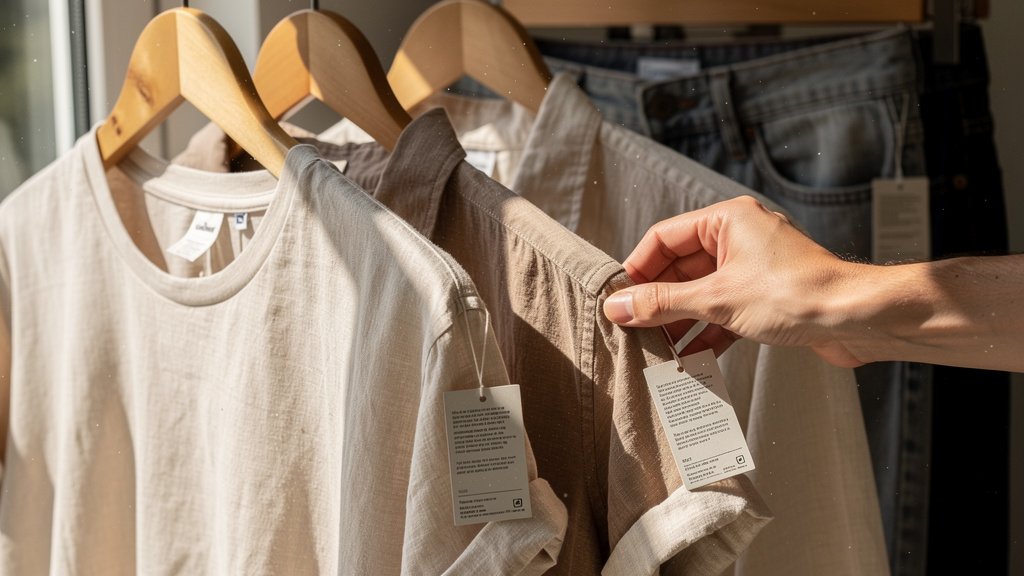
Read the materials list. Synthetic fabrics like virgin polyester are cheap to produce but terrible for the environment. Organic cotton, Tencel, linen, recycled nylon, and hemp signal higher standards.
Google the brand with "sustainability" or "labor practices." Independent audits, certifications like GOTS or Fair Trade, and published supplier lists are all strong indicators. Vague language about "caring for the planet" without specifics usually means greenwashing.
Use free tools like the Good On You directory, which rates thousands of brands on their environmental and labor impact. It's not perfect, but it gives you a quick baseline before you commit to a purchase.
The Honest Reality: No Brand Is Perfect
I should be direct here: there's no such thing as a perfectly ethical fashion brand. Every company making clothes at scale makes compromises on materials, on transportation emissions, on the realities of global supply chains. Patagonia, widely considered a leader, still uses some synthetic materials. Everlane still produces abroad. The question isn't perfection; it's direction.
The brands leading the slow fashion movement share one characteristic: they're transparent about what they're doing and what they're not. They publish impact reports, acknowledge their shortcomings, and improve incrementally. That honesty matters more than a glossy sustainability page with no numbers behind it.
What I can't fully answer is whether contaminated commercial feed poses meaningful risk to indoor-only cats nobody seems to be studying that specifically. Similarly, in fashion, there are gaps in what we know about brand claims versus reality. Third-party certifications help close that gap, but they're not foolproof. The best approach is to combine research, hold brands accountable, and adjust as you learn more.
Start With One Swap
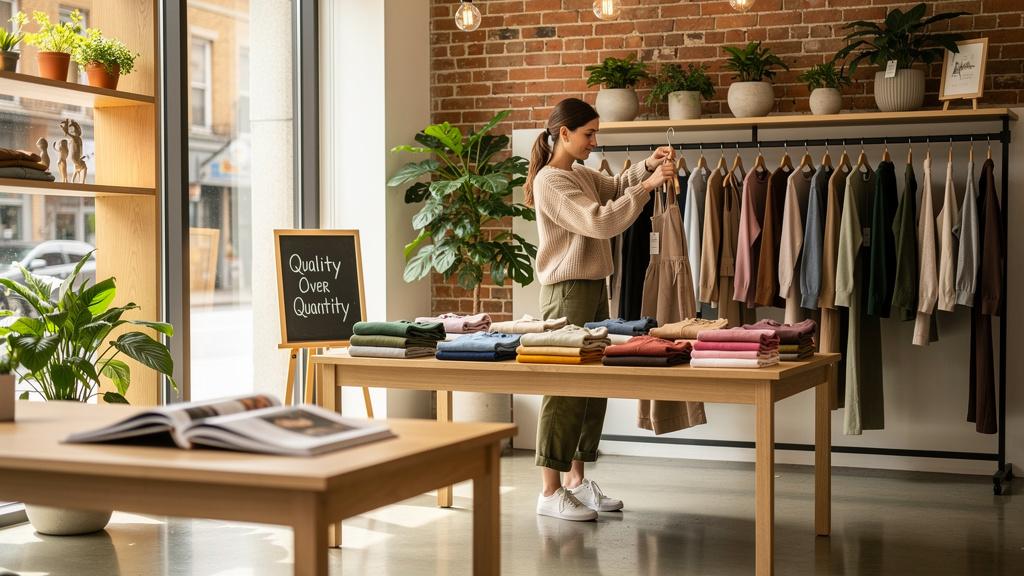
You don't need to replace your entire wardrobe overnight. Start with one category maybe basics, maybe something you've been meaning to invest in anyway. The non-fast fashion brands listed here have proven track records, and several offer entry-level price points that won't wreck your budget.
The fashion industry is changing. Not fast enough, and not uniformly, but the momentum is real. Every time someone chooses a brand that values longevity over volume, they're voting with their wallet for the kind of industry they want to exist. That's the only way any of this actually works.